
Introduction
Some days feel like a never-ending race against the clock. The laundry piles up, the school emails flood your inbox, dinner needs planning, and somehow you’re also supposed to remember spirit week costumes. That’s where tips fpmomhacks come in—small, practical shifts that make a surprisingly big difference.
If you’ve ever wished for more hours in your day or a calmer home without turning into a productivity robot, you’re in the right place. The beauty of these strategies isn’t about perfection. It’s about progress—tiny, realistic adjustments that fit real life.
Busy moms don’t need complicated systems. They need doable, sustainable habits that lighten the load. Let’s break down smart ways to simplify routines, reduce mental clutter, and create breathing room in your everyday life.
Why Smart Systems Matter More Than Motivation
Motivation fades. Systems last.
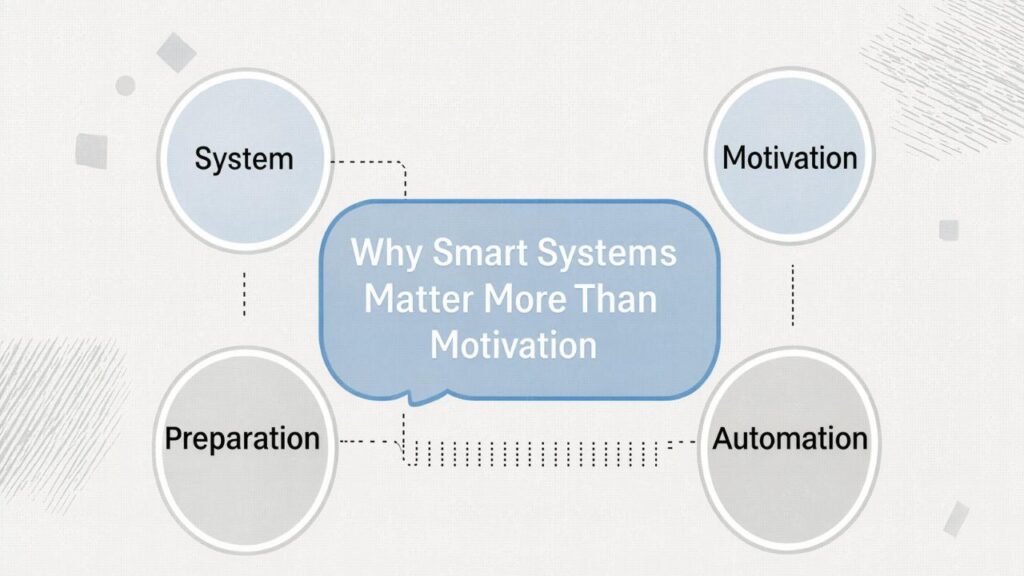
Most moms don’t struggle because they aren’t capable. They struggle because everything lives in their heads. Appointments, snack schedules, school forms, birthday gifts—mental overload is exhausting. When you create simple systems, you remove decision fatigue.
Two powerful principles guide effective household systems:
- Reduce repeated decisions
- Automate what you can
- Batch similar tasks
- Create visual cues instead of relying on memory
A weekly visual family planner on the kitchen wall can instantly reduce stress. When everyone sees what’s happening, you stop being the “human reminder app.”
Morning Routine Reset: Calm Starts Change Everything
Mornings often determine the tone of the entire day. If your morning feels chaotic, everything after feels reactive.
The 15-Minute Prep Rule
Spend 15 minutes every evening preparing for tomorrow:
- Lay out clothes
- Pack lunches halfway
- Place backpacks by the door
- Pre-set coffee maker
- Review calendar
These are simple tips fpmomhacks that eliminate the most common morning friction points.
Create a “Launch Pad” Zone
A small basket or shelf near the exit door for:
- Keys
- Sunglasses
- Permission slips
- Wallet
- Library books
When items have a home, you stop searching for them.
An organized entryway reduces last-minute scrambling and arguments before school or work.
Meal Planning Without Burnout
Dinner is the daily decision that drains the most energy. The trick isn’t gourmet cooking—it’s predictability.
The Theme Night Formula
Assign simple themes to each weekday:
- Monday – Pasta
- Tuesday – Tacos
- Wednesday – Slow Cooker
- Thursday – Leftovers
- Friday – Pizza Night
This eliminates “What’s for dinner?” stress.
Batch Cooking Basics
Cook once, eat twice:
- Double soups and freeze half
- Grill extra chicken for salads
- Chop vegetables for two days
These tips fpmomhacks cut cooking time in half without sacrificing variety.
Declutter in Micro-Bursts
You don’t need a weekend overhaul. You need 10-minute resets.
The 10-Item Rule
Every day, remove 10 items:
- Broken toys
- Old papers
- Expired pantry items
- Worn-out clothes
Small consistency beats occasional marathons.
The “One In, One Out” Habit
When a new item enters your home, one leaves. This keeps clutter from creeping back in.
A calm physical space lowers stress levels and improves focus for the whole family.
Managing the Invisible Mental Load
The mental load isn’t about physical chores—it’s about remembering everything.
Use Shared Digital Calendars
Color-code:
- Work
- School
- Sports
- Appointments
Let older kids check it themselves.
Create a Family Command Center
A small area with:
- Calendar
- Chore chart
- Mail tray
- Whiteboard
These structured tips fpmomhacks shift responsibility from your brain to visible systems.
Smart Cleaning Strategies That Save Hours
Perfection isn’t the goal. Maintenance is.
The 5×5 Method
Set a timer for 5 minutes in 5 rooms:
- Wipe surfaces
- Toss trash
- Fluff cushions
- Put away obvious clutter
You’ll be surprised how much changes in 25 minutes.
Assign “Zones” Instead of Tasks
Each family member owns a zone:
- Bathroom
- Living room
- Kitchen table area
- Laundry folding
This builds accountability without constant supervision.
Time Blocking for Busy Moms
Time blocking isn’t rigid scheduling—it’s intentional focus.
Create Energy-Based Blocks
Instead of organizing by time, organize by energy:
- Morning: Deep work or important tasks
- Midday: Errands and phone calls
- Evening: Light cleanup and family time
These tips fpmomhacks protect your highest-energy hours.
Budgeting Made Simple
Financial stress adds unnecessary pressure.
The 3-Category Rule
Simplify your budget into:
- Essentials
- Savings
- Flexible Spending
Overcomplicated tracking systems fail. Simple categories stick.
Automate Everything Possible
- Automatic savings transfers
- Subscription tracking
- Bill autopay
When finances run quietly in the background, you reclaim mental peace.
Building Independence in Kids
Moms often carry too much because it’s faster to do it themselves.
Age-Appropriate Responsibilities
- Toddlers: Put toys in bins
- Elementary: Set table, pack snacks
- Teens: Laundry, simple meals
Teaching skills is one of the most powerful long-term tips fpmomhacks.
Protecting Your Energy
You can’t pour from an empty cup.
Schedule “Non-Negotiable” Recharge Time
Even 20 minutes counts:
- Walk alone
- Read
- Journal
- Stretch
Energy management is more important than time management.
The Power of Saying No
Before committing, ask:
- Does this align with our priorities?
- Will this create unnecessary stress?
Intentional choices protect family balance.
Digital Declutter for Mental Clarity
Phones often amplify overwhelm.
Turn Off Non-Essential Notifications
Limit alerts to:
- School
- Emergency contacts
- Work essentials
Batch Social Media Use
Set 15-minute windows instead of constant scrolling.
These small tips fpmomhacks restore attention and presence.
Creating Evening Reset Rituals
Ending the day intentionally prepares tomorrow.
The 20-Minute Family Reset
Everyone participates:
- Clear counters
- Load dishwasher
- Fold throw blankets
- Prep lunches
Consistency creates calm.
Self-Care Without Guilt
Self-care doesn’t have to be expensive or elaborate.
Simple Practices That Work
- Drink water before coffee
- Stretch while watching TV
- Listen to podcasts during chores
- Go to bed 30 minutes earlier
These realistic tips fpmomhacks fit into existing routines.
Seasonal Reset Strategy
Every 3–4 months:
- Rotate kids’ clothes
- Clear pantry shelves
- Review calendar commitments
- Donate unused items
Quarterly resets prevent build-up.
Communication Systems That Reduce Conflict
Clarity prevents arguments.
Weekly Family Meeting
Discuss:
- Upcoming events
- Responsibilities
- Concerns
- Gratitude
When expectations are clear, tension decreases.
FAQ
Frequently Asked Questions
What are tips fpmomhacks?
They are practical, realistic strategies designed to simplify routines, reduce stress, and help busy moms manage household responsibilities more efficiently.
How often should I reset household systems?
A small weekly reset works best, with a deeper seasonal reset every few months.
Do these strategies work for working moms?
Yes. Many of these tips fpmomhacks are especially helpful for working moms balancing career and home life.
How can I involve my kids more?
Start small with age-appropriate responsibilities and increase independence gradually.
What if I struggle to stay consistent?
Focus on one change at a time. Consistency grows when habits feel manageable.
Is meal planning necessary?
It’s not mandatory, but even basic structure dramatically reduces daily decision fatigue.
How do I reduce mental overload quickly?
Use shared calendars, visual planners, and written lists instead of holding information in your head.
Can these strategies help reduce stress?
Absolutely. Structure reduces uncertainty, and predictability creates calm.
Conclusion
Motherhood doesn’t need to feel like constant firefighting. Small, thoughtful adjustments compound over time. When you build simple systems, delegate wisely, and protect your energy, daily life becomes smoother.
The goal isn’t perfection. It’s sustainability. By applying realistic tips fpmomhacks consistently, you create a home that feels lighter, calmer, and more manageable—without sacrificing joy or connection.
And sometimes, that’s the biggest win of all.