Introduction
Ever walked into a living room and instantly felt at ease—but couldn’t quite explain why? More often than not, it’s the rug doing the quiet work. Rugs for living room spaces don’t just sit under your furniture—they anchor the entire room, shaping how it looks and feels.
In reality, choosing the right rug can completely transform your space. It can make a room feel warmer, bigger, more inviting—or, if chosen poorly, oddly disconnected. That’s why understanding how rugs work isn’t just helpful—it’s essential.
Whether you’re redecorating or starting fresh, this guide will help you navigate styles, materials, sizes, and placement like a pro—without feeling overwhelmed.

Table of Contents
Understanding Rugs for Living Room
Types of Rugs for Living Room Spaces
Benefits of Using Rugs in Living Rooms
How to Choose the Perfect Rug
Rugs for Living Room Placement Guide
Materials and Durability Explained
Design Trends and Styling Ideas
Common Mistakes to Avoid
Personal Background & Industry Insights
FAQ Section
Conclusion
Understanding Rugs for Living Room
At its core, a rug is more than just a decorative textile—it’s a design foundation. Rugs for living room areas define zones, soften acoustics, and create a visual flow.
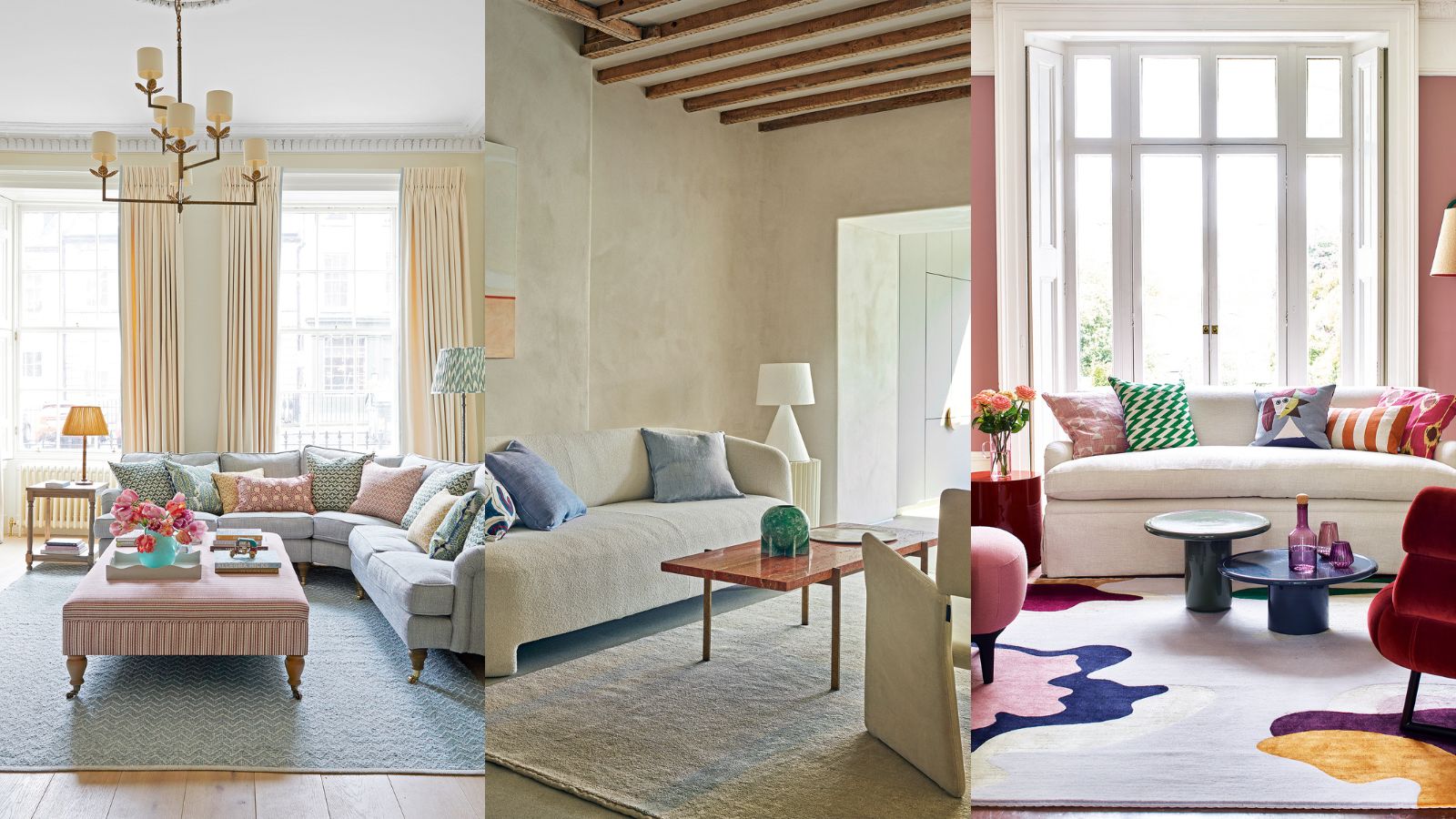
What Exactly Is a Living Room Rug?
A living room rug is typically a large textile placed under furniture to:
- Anchor seating arrangements
- Add warmth and comfort
- Enhance aesthetics
Think of it as the “stage” where your furniture performs. Without it, everything can feel slightly disconnected.
Types of Rugs for Living Room Spaces
Choosing the right type depends on your lifestyle, taste, and daily usage.
Area Rugs
These are the most popular option. They:
- Cover a significant portion of the floor
- Work well under sofas and coffee tables
Shag Rugs
Soft, fluffy, and luxurious. Perfect for:
- Cozy settings
- Relaxed environments
However, they require more maintenance.
Flatweave Rugs
Lightweight and easy to clean. Ideal for:
- High-traffic areas
- Minimalist homes
Persian and Oriental Rugs
Timeless and elegant. Known for:
- Intricate patterns
- Rich colors
Modern Rugs
Feature abstract designs and bold colors, perfect for contemporary homes.
Benefits of Using Rugs in Living Rooms
Let’s be honest—bare floors can feel cold, both physically and emotionally.
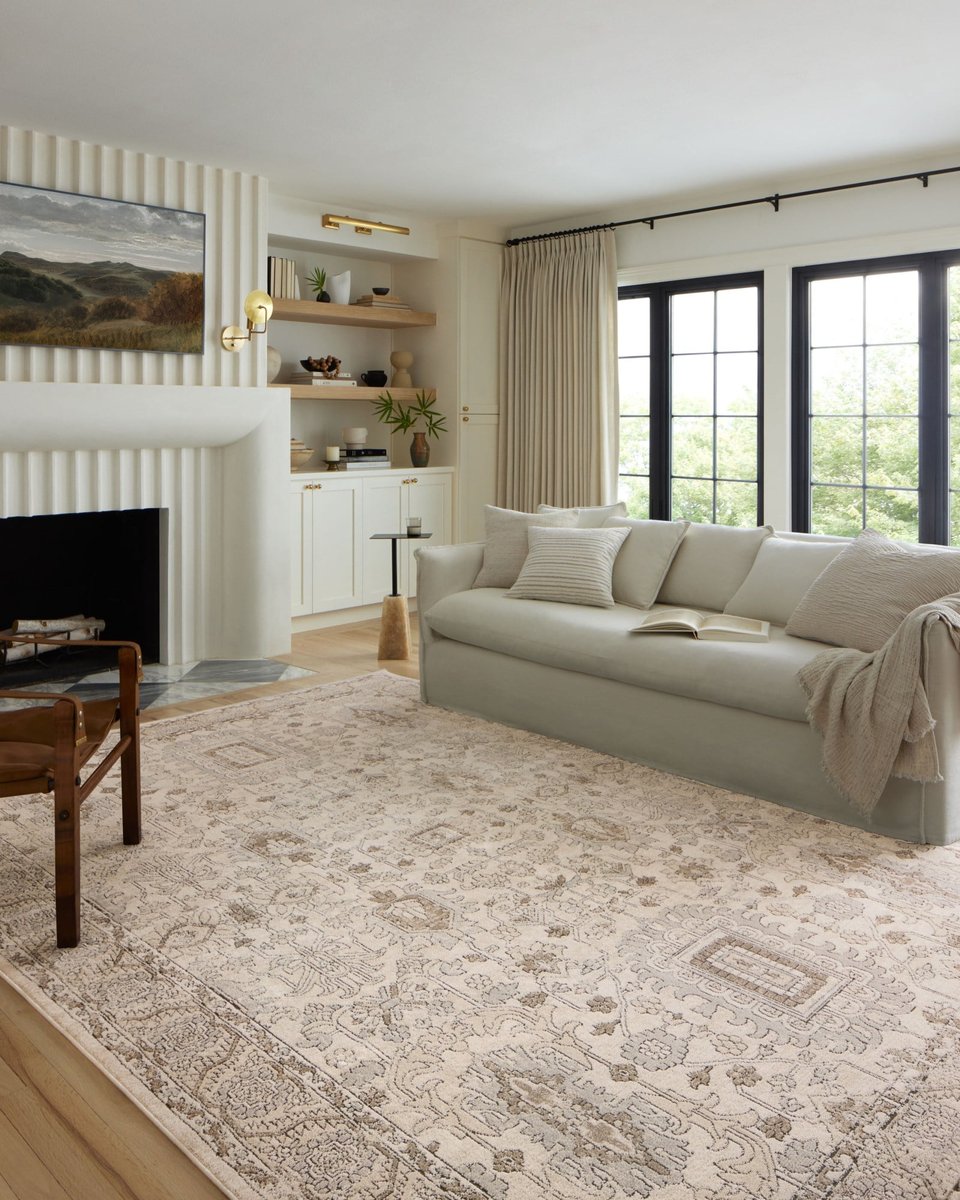
1. Comfort Underfoot
A rug adds softness, making your living room more inviting.
2. Noise Reduction
Rugs absorb sound, reducing echo—especially helpful in large rooms.
3. Visual Cohesion
They tie furniture together, creating a unified look.
4. Temperature Control
Rugs help retain warmth during colder months.
5. Style Enhancement
A well-chosen rug can become the focal point of your space.
How to Choose the Perfect Rug
Choosing the right rug isn’t just about color—it’s about balance and proportion.
Size Matters More Than You Think
Here’s a simple guideline:
| Room Size | Recommended Rug Size |
|---|---|
| Small room | 5×7 ft |
| Medium room | 8×10 ft |
| Large room | 9×12 ft or bigger |
A common mistake? Going too small. It makes the room feel disconnected.
Color and Pattern
- Light colors: Make rooms feel bigger
- Dark colors: Add depth and warmth
- Patterns: Hide stains and add character
Lifestyle Consideration
Got kids or pets? Go for:
- Durable materials
- Easy-to-clean fabrics
Rugs for Living Room Placement Guide
Placement can dramatically change the look of your room.
All Furniture on the Rug
Best for large spaces. Creates a cohesive and luxurious feel.
Front Legs Only
Most common approach. Keeps things balanced without overwhelming the room.
Rug Under Coffee Table Only
Works for small spaces but can feel less connected.
Materials and Durability Explained
Not all rugs are created equal.
Natural Fibers
- Wool: Durable and soft
- Cotton: Lightweight and affordable
- Jute: Eco-friendly but rough
Synthetic Fibers
- Polyester: Budget-friendly
- Nylon: Highly durable
- Polypropylene: Stain-resistant
Quick Comparison Table
| Material | Durability | Comfort | Maintenance |
|---|---|---|---|
| Wool | High | High | Medium |
| Cotton | Medium | Medium | Easy |
| Synthetic | High | Medium | Easy |
Design Trends and Styling Ideas
Interior design evolves, but rugs remain central to it.

Current Trends
- Neutral tones with texture
- Vintage-inspired patterns
- Layered rugs
- Earthy and organic materials
Creative Styling Ideas
- Layer a smaller rug over a larger neutral base
- Use bold patterns to create a focal point
- Match rug tones with cushions or curtains
Real-Life Example
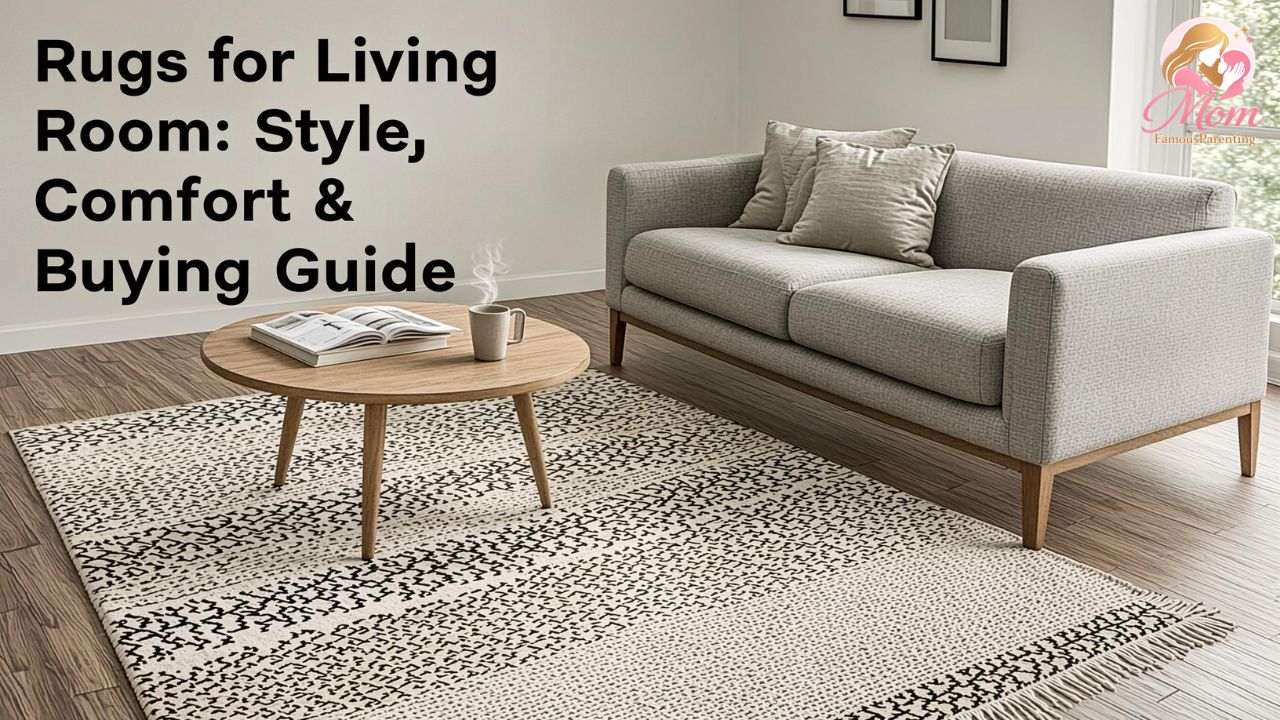
Imagine a neutral living room—beige sofa, white walls. Add a patterned rug, and suddenly the space feels alive. That’s the power of rugs for living room styling.
Common Mistakes to Avoid
Even beautiful rugs can fail if used incorrectly.
1. Choosing the Wrong Size
Too small rugs break visual flow.
2. Ignoring Maintenance
Some rugs look great but are hard to clean.
3. Poor Placement
Floating rugs can make rooms feel awkward.
4. Overmatching Colors
Too much matching can make the space boring.
Personal Background & Industry Insights
Interior styling is one of those fields where small details make a massive difference. Many designers begin their journey experimenting with simple elements like rugs, lighting, and textures.
Career Journey
- Starting with DIY home projects
- Learning design fundamentals
- Working with real clients
- Building a personal brand
Achievements
- Transforming dull spaces into inviting homes
- Increasing property appeal through décor
- Creating emotionally engaging interiors
Financial Insights
Professional interior designers typically earn:
- $40,000 to $150,000+ annually
- High-end consultants can earn significantly more
Interestingly, rugs are often among the first upgrades recommended because of their high visual impact and relatively low cost.

FAQ Section
What size rug is best for a living room?
An 8×10 or 9×12 rug works best for most living rooms, depending on furniture layout.
How do I clean living room rugs?
Regular vacuuming and occasional deep cleaning help maintain them.
Are rugs necessary in a living room?
Not mandatory, but they significantly improve comfort and design.
What color rug makes a room look bigger?
Light-colored rugs create a sense of openness.
Can I layer rugs in my living room?
Yes, layering adds texture and depth.
How often should I replace a rug?
Every 5–10 years depending on wear and quality.
Are synthetic rugs good for homes with pets?
Yes, they are durable and easier to clean.
Should a rug match the sofa?
Not exactly—complementing colors works better than matching.
Conclusion
At the end of the day, rugs for living room spaces are more than décor—they’re the foundation of comfort and style. They shape how your room feels, how it functions, and even how people experience it.
That said, the perfect rug isn’t just about trends—it’s about what works for your lifestyle and space. Whether you prefer something bold and expressive or soft and subtle, the right choice can completely redefine your living room.
And once you get it right? You’ll wonder how your space ever worked without it.