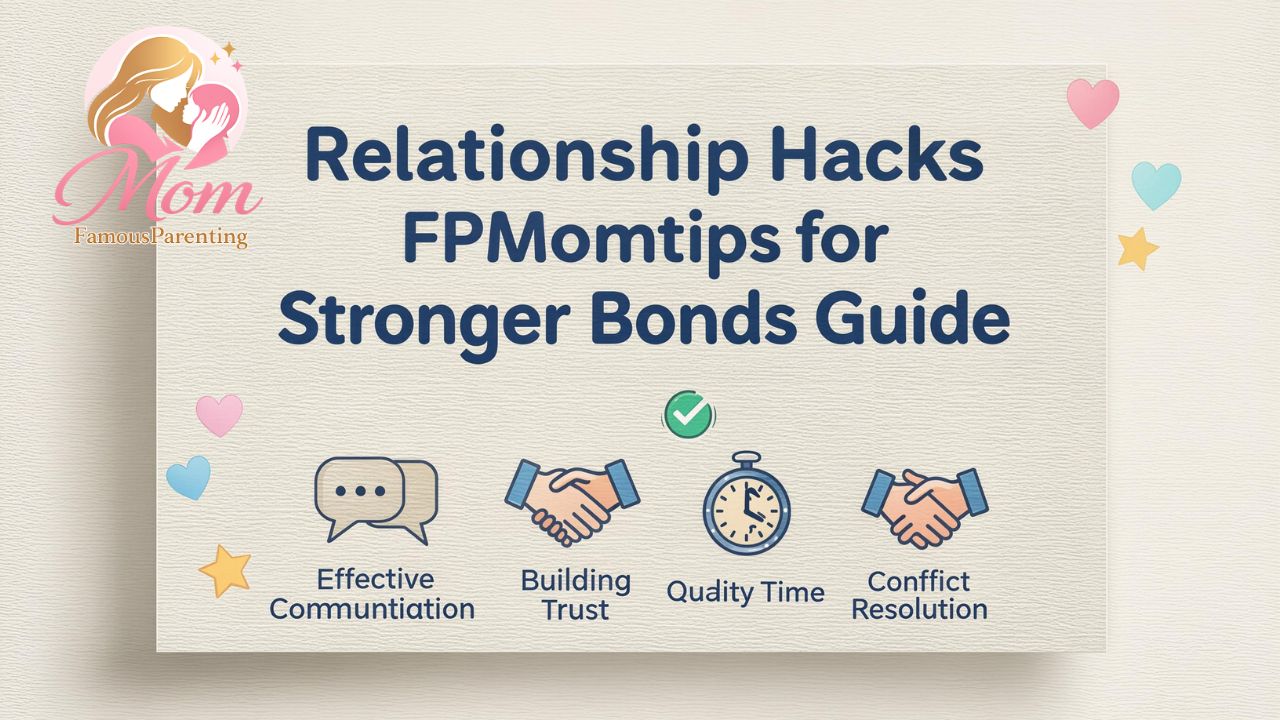
If you’ve ever felt that even the strongest relationships need a little fine-tuning, you’re not alone. Relationships don’t fall apart overnight—they slowly drift when attention fades. That’s where Relationship Hacks FPMomtips for Stronger Bonds comes in.In today’s fast-paced world, between work, parenting, and endless notifications, emotional connection can quietly slip through the cracks. Relationship Hacks FPMomtips for Stronger Bonds isn’t about grand romantic gestures—it’s about small, practical shifts that build deep, lasting intimacy over time.
Whether you’re nurturing a marriage, strengthening a dating relationship, or rebuilding trust after challenges, these strategies are designed to feel doable, realistic, and human.
Table of Contents
The Meaning Behind Relationship Hacks FPMomtips for Stronger Bonds
Why Modern Relationships Struggle More Than Ever
Communication Hacks That Transform Connection
Emotional Intimacy: The Core of Relationship Hacks FPMomtips for Stronger Bonds
Trust-Building Strategies That Actually Work
Conflict Resolution Without Emotional Damage
Parenting, Stress, and Partnership Balance
Daily Habits That Create Long-Term Love
The Psychology Behind Stronger Bonds
Real-Life Examples and Success Stories
Frequently Asked Questions
Conclusion
The Meaning Behind Relationship Hacks FPMomtips for Stronger Bonds
Relationship hacks are not manipulative tricks. They are evidence-based strategies that improve emotional intelligence, communication patterns, and attachment security.
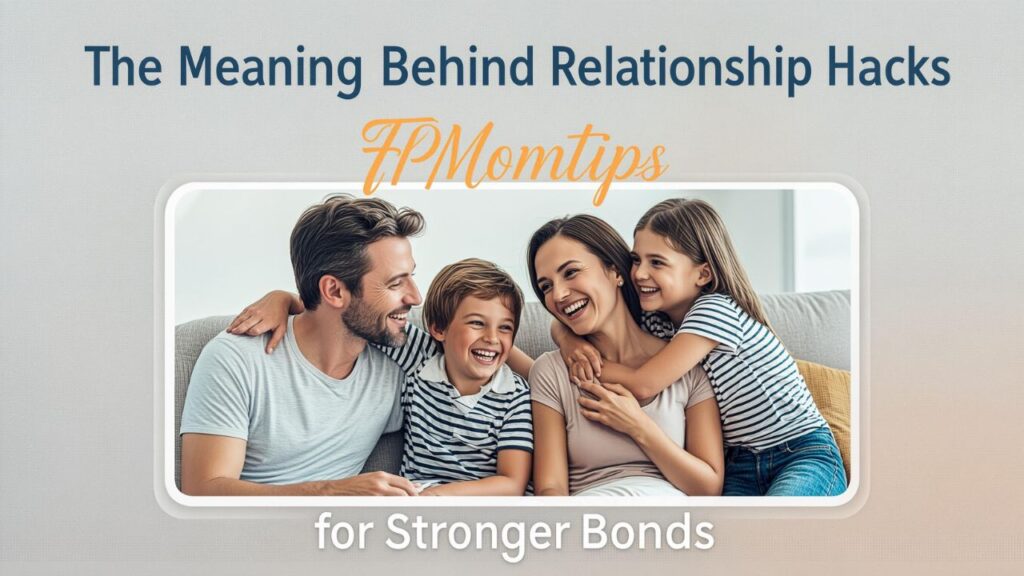
Relationship Hacks FPMomtips for Stronger Bonds focuses on:
- Practical daily habits
- Emotional awareness
- Mutual respect
- Healthy boundaries
- Long-term partnership thinking
In simple terms, it’s about turning small efforts into lasting emotional safety.
What Makes These Hacks Different?
Many online tips focus on surface-level romance. However, Relationship Hacks FPMomtips for Stronger Bonds is rooted in relationship psychology, behavioral science, and real-life experience.
According to relationship researcher Dr. John Gottman, couples who maintain a 5:1 ratio of positive to negative interactions are significantly more likely to stay together long term. That means small daily positivity matters more than rare dramatic gestures.
Why Modern Relationships Struggle More Than Ever
Modern couples face pressures previous generations didn’t:
- Social media comparison
- Financial instability
- Career stress
- Parenting overload
- Digital distractions
In reality, emotional disconnection often starts subtly. You stop asking meaningful questions. You assume instead of listening. You react instead of understanding.
Relationship Hacks FPMomtips for Stronger Bonds addresses these realities by focusing on sustainable emotional habits rather than unrealistic expectations.
Communication Hacks That Transform Connection
Communication isn’t just about talking—it’s about feeling heard.
1. The 10-Minute Undivided Attention Rule
Set aside 10 minutes daily with zero distractions. No phones. No TV. Just listening.
Ask:
- “What was the best part of your day?”
- “What stressed you out today?”
- “Is there something you need from me this week?”
It sounds simple, but consistency changes everything.
2. Replace Criticism with Curiosity
Instead of:
“You never help.”
Try:
“I feel overwhelmed. Can we figure out how to divide this better?”
Relationship Hacks FPMomtips for Stronger Bonds emphasizes emotional safety over blame.
3. Reflective Listening
Repeat what your partner says in your own words. For example:
“So you’re saying work made you feel unappreciated?”
This reduces defensiveness and builds empathy.
Emotional Intimacy: The Core of Relationship Hacks FPMomtips for Stronger Bonds
Emotional intimacy means being safe enough to be vulnerable.
Signs of Strong Emotional Intimacy
- You can share fears without judgment
- You feel understood
- Conflicts don’t threaten the relationship
- You laugh together often
On the other hand, emotional distance feels like walking on eggshells.
How to Build Emotional Closeness
- Share one personal thought daily.
- Express appreciation out loud.
- Validate feelings—even if you disagree.
Research from the American Psychological Association suggests emotional validation reduces stress hormones and strengthens attachment bonds.
Relationship Hacks FPMomtips for Stronger Bonds consistently reinforces that validation is more powerful than advice.
Trust-Building Strategies That Actually Work
Trust isn’t built through promises. It’s built through patterns.
Consistency Over Intensity
Grand apologies don’t replace daily reliability. Show up when you say you will. Follow through.
Transparency
Be open about finances, schedules, and emotional states. Hidden stress can feel like secrecy.
Repair Attempts
When conflict happens, repair quickly. A simple “I didn’t mean that harshly” can stop long-term resentment.
Trust is the backbone of Relationship Hacks FPMomtips for Stronger Bonds.
Conflict Resolution Without Emotional Damage
Every couple argues. Healthy couples argue differently.
The 20-Minute Pause Rule
If emotions escalate, pause for 20 minutes. Heart rates above 100 bpm reduce rational thinking.
Attack the Problem, Not the Person
Instead of saying:
“You’re irresponsible.”
Say:
“This situation is stressing me out. How can we fix it?”
Use Soft Startups
Research shows conversations that start gently are more likely to end positively.
Relationship Hacks FPMomtips for Stronger Bonds teaches that how you begin a conversation often determines how it ends.
Parenting, Stress, and Partnership Balance
If you’re parents, emotional energy often goes entirely to children.
However, strong partnerships create secure children. Studies show kids from emotionally stable households develop higher resilience and confidence.
Schedule couple time—even if it’s at home after bedtime.
Daily Habits That Create Long-Term Love
Long-term love isn’t accidental. It’s built.
Here’s a practical habit table:
| Daily Habit | Emotional Impact | Long-Term Result |
|---|---|---|
| Morning check-in | Security | Reduced anxiety |
| Small compliments | Self-esteem | Positive atmosphere |
| Shared laughter | Bonding | Emotional closeness |
| Weekly planning | Stability | Fewer conflicts |
Relationship Hacks FPMomtips for Stronger Bonds thrives on daily rituals.
The Psychology Behind Stronger Bonds
Attachment theory explains why some couples feel secure while others feel anxious or avoidant.
Secure attachment forms when:
- Needs are met consistently
- Emotions are acknowledged
- Boundaries are respected
Relationship Hacks FPMomtips for Stronger Bonds aligns closely with secure attachment behaviors.
Real-Life Examples and Success Stories
Consider Sarah and Ahmed, married for 8 years. They struggled with constant small arguments about chores and time.
Instead of dramatic counseling sessions, they implemented:
- 10-minute daily talk time
- Weekly appreciation ritual
- Clear division of responsibilities
Within 3 months, conflict reduced significantly. They reported feeling “like teammates again.”
That’s the power of consistent micro-changes.
Frequently Asked Questions
What is Relationship Hacks FPMomtips for Stronger Bonds?
It’s a practical framework of emotional, communication, and trust-building strategies designed to improve connection in relationships.
How often should we apply these hacks?
Daily consistency matters more than intensity. Even small habits done regularly produce results.
Can these strategies save a struggling marriage?
They can significantly improve emotional patterns. However, severe issues may require professional counseling.
Are these hacks based on psychology?
Yes, many principles align with attachment theory and communication research.
Do these tips work for long-distance relationships?
Absolutely. Emotional validation and structured communication are even more important in long-distance situations.
What’s the most powerful hack?
Daily undivided attention. Consistent connection prevents emotional drift.
Conclusion
Relationships don’t thrive on luck. They grow through intentional habits, emotional awareness, and consistent effort. Relationship Hacks FPMomtips for Stronger Bonds reminds us that love isn’t just a feeling—it’s a practice.
When two people choose empathy over ego, curiosity over criticism, and consistency over intensity, stronger bonds become inevitable. And sometimes, the smallest daily changes create the deepest lifelong connections.