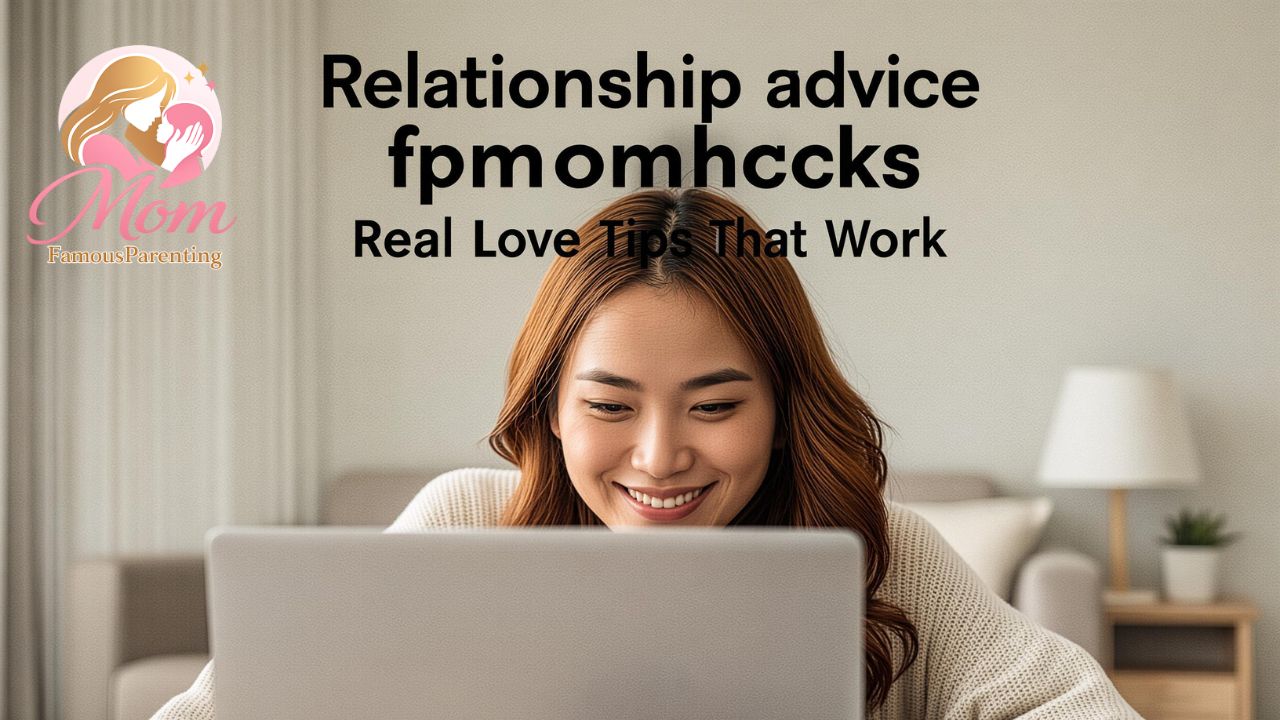
Relationships rarely fall apart overnight. They fade in small, quiet ways—missed conversations, unresolved tension, unspoken expectations. relationship advice fpmomhacks isn’t about dramatic love stories or unrealistic fairy tales; it’s about the practical shifts that keep connection alive in real life.
If you’ve ever felt emotionally close yet strangely distant at the same time, you know what I mean. The goal of relationship advice fpmomhacks is to bridge that gap—using simple, grounded techniques that strengthen communication, deepen trust, and bring warmth back into everyday interactions.

Modern relationships are complicated. We juggle work stress, parenting, financial pressure, and constant digital distractions. However, connection isn’t about having fewer problems—it’s about handling them better. That’s exactly what this guide will help you do.
Table of Contents
- Understanding relationship advice fpmomhacks in Modern Life
- The Psychology Behind Healthy Relationships
- Communication Strategies That Actually Work
- Rebuilding Trust and Emotional Safety
- Intimacy Beyond Physical Connection
- Managing Conflict Without Damage
- Personal Background & Insights Behind fpmomhacks
- Common Relationship Mistakes to Avoid
- FAQs
- Conclusion
Understanding relationship advice fpmomhacks in Modern Life
Let’s define it clearly.
relationship advice fpmomhacks refers to practical, emotionally intelligent strategies designed to improve romantic and family relationships without overwhelming complexity. It focuses on small behavioral adjustments that create significant emotional impact.
Unlike generic relationship tips, this approach emphasizes:
- Emotional awareness
- Consistent communication
- Intentional time together
- Respectful conflict resolution
- Realistic expectations
In reality, many couples don’t struggle because they don’t love each other. They struggle because they don’t know how to translate love into daily habits.

Why Modern Relationships Feel Harder
Social media creates comparison. Busy schedules reduce quality time. Constant notifications interrupt meaningful conversations. According to relationship research, communication breakdown remains one of the top reasons couples report dissatisfaction.
The problem isn’t love—it’s alignment.
The Core Principle
Healthy relationships thrive on emotional safety. If someone feels heard, respected, and valued, they naturally invest more energy into the relationship. That’s the foundation of relationship advice fpmomhacks.
The Psychology Behind Healthy Relationships
Before we jump into techniques, we need context.
Psychologists studying long-term relationships often emphasize attachment styles—secure, anxious, avoidant. These patterns influence how partners respond to conflict and intimacy.
Understanding this alone can transform your relationship.
Emotional Regulation Matters More Than Romance
Romantic gestures are wonderful. However, emotional regulation is what keeps love stable.
When arguments escalate, ask yourself:
- Am I reacting to the present situation or an old wound?
- Is my partner attacking me, or expressing frustration?
Small self-awareness pauses can prevent large emotional explosions.
The 5:1 Positive Ratio
Research from relationship experts suggests that stable couples maintain roughly five positive interactions for every negative one. That doesn’t mean avoiding disagreements. It means ensuring appreciation outweighs criticism.
Simple examples:
- A thank-you for small efforts
- A text message checking in
- A gentle touch while passing by
These micro-moments build emotional equity.
Communication Strategies That Actually Work
Communication advice often sounds repetitive. Let’s make it real.
1. Replace “You Always” With “I Feel”
Instead of saying:
“You never listen.”
Try:
“I feel unheard when we don’t finish conversations.”
This small shift reduces defensiveness immediately.
2. Schedule Emotional Check-Ins
It might feel awkward, but intentional check-ins work. Once a week, ask:
- What felt good this week?
- What felt stressful?
- Is there anything we should adjust?
Couples who talk proactively argue less reactively.
3. Listen to Understand, Not to Respond
Active listening means:
- Making eye contact
- Not interrupting
- Reflecting back what you heard
Example:
“So you felt overwhelmed when I canceled plans last minute?”
Validation doesn’t mean agreement. It means acknowledgment.
4. Digital Boundaries
Phones can quietly damage intimacy. Consider:
- No phones during meals
- No scrolling during serious discussions
- A nightly “device-free” window
That said, balance matters. Technology isn’t the enemy—distraction is.
Rebuilding Trust and Emotional Safety
Trust doesn’t just break through betrayal. It erodes through inconsistency.
relationship advice fpmomhacks highlights three pillars of rebuilding trust:
- Consistency
- Transparency
- Accountability
Consistency Is More Powerful Than Apologies
An apology feels good temporarily. Consistent changed behavior rebuilds long-term trust.
Transparency Reduces Anxiety
If one partner feels uncertain, small reassurances matter:
- Sharing plans openly
- Clarifying misunderstandings quickly
- Avoiding secrecy
Accountability Without Shame
Healthy accountability sounds like:
“You’re right. I handled that poorly. I’ll work on it.”
Not:
“Fine, I’m just a terrible person.”
There’s a difference between guilt (I made a mistake) and shame (I am a mistake).
Intimacy Beyond Physical Connection
Many couples confuse intimacy with physical closeness alone. In reality, emotional intimacy precedes physical comfort.
Emotional Intimacy Examples
- Sharing childhood memories
- Discussing fears without judgment
- Supporting career ambitions
- Laughing over inside jokes
Small Rituals That Build Connection
- Morning coffee together
- Weekly walk
- Monthly date night
- Shared hobby
Consistency creates comfort. Comfort deepens intimacy.
Managing Conflict Without Damage
Conflict is inevitable. Damage is optional.
The Pause Rule
When emotions spike, pause. Take 20 minutes if needed. Research shows physiological arousal decreases significantly after a short cooling-off period.
Stay on One Topic
Dragging past arguments into current disagreements creates emotional overload. Focus on solving one issue at a time.
Avoid Character Attacks
Criticizing behavior is constructive. Attacking character is destructive.
Healthy: “I didn’t like how that conversation went.”
Unhealthy: “You’re impossible.”
relationship advice fpmomhacks emphasizes addressing actions, not identity.
Personal Background & Insights Behind fpmomhacks
The philosophy behind relationship advice fpmomhacks grew from observing how small habits create large emotional shifts. Instead of focusing on dramatic gestures, it prioritizes consistency.
The creator’s journey involved studying communication psychology, family dynamics, and modern parenting stressors. Through coaching experiences and community feedback, patterns became clear: couples don’t need complex frameworks—they need practical daily habits.
Over time, this approach gained traction online, especially among busy parents seeking balanced partnership. Financially, relationship coaching and digital resources in this niche can generate sustainable income streams, particularly through courses, workshops, and affiliate content. While exact figures vary, successful relationship educators often scale into six-figure annual revenue through online platforms.
However, the core message remains simple: strong relationships are built through intentional repetition, not perfection.

Common Relationship Mistakes to Avoid
Even loving couples make predictable mistakes.
1. Keeping Score
Relationships aren’t competitions. Counting sacrifices breeds resentment.
2. Expecting Mind Reading
Your partner is not psychic. Express needs clearly.
3. Avoiding Hard Conversations
Silence may feel peaceful, but unresolved tension builds quietly.
4. Comparing to Social Media
Online couples showcase highlights, not full realities.
5. Neglecting Self-Care
Burnout spills into relationships. Emotional depletion affects patience.
Healthy partnerships involve two healthy individuals.
FAQs
What is relationship advice fpmomhacks?
It’s a practical approach focused on small daily habits that improve communication, trust, and emotional connection in relationships.
Can these strategies save a struggling relationship?
They can improve communication and understanding, but severe issues may require professional counseling.
How long does it take to rebuild trust?
It varies. Consistency over time is more important than quick gestures.
Is this advice only for married couples?
No. It applies to dating, engaged, married, and long-term partnerships.
What’s the biggest relationship mistake?
Assuming love alone is enough without consistent communication.
Should couples argue?
Yes. Healthy disagreement is normal. The goal is respectful conflict.
How often should couples check in emotionally?
Weekly check-ins are a practical starting point.
Can busy parents apply these tips?
Absolutely. The advice is designed specifically for realistic, busy lifestyles.
Conclusion
Love doesn’t fail because people stop caring. It fades when daily habits stop supporting it. relationship advice fpmomhacks reminds us that connection is built through consistency—small gestures, honest conversations, and emotional safety.
In the end, strong relationships aren’t about perfection. They’re about choosing each other, repeatedly, even when life feels chaotic. When you prioritize understanding over winning, and connection over ego, love becomes not just a feeling—but a practice.