Introduction
Some days, parenting feels like a well-choreographed dance. Other days, it feels like you’re juggling flaming torches while stepping on LEGO bricks. That’s exactly why so many families are searching for parenting hacks fpmomtips—small, practical strategies that make daily life smoother without adding pressure or perfectionism.
Parenting isn’t about doing everything flawlessly. It’s about finding rhythms that work for your home, your children, and your energy. When you discover simple systems that reduce chaos and create connection, everything shifts. Mornings become less rushed. Bedtimes become less dramatic. And family time starts to feel meaningful again.
In this guide, we’ll explore real-life, doable strategies that busy parents can implement immediately. No unrealistic standards. No complicated systems. Just thoughtful adjustments that make a powerful difference.
Why Small Parenting Hacks Make a Big Difference
Parenting is built on routines, habits, and emotional patterns. When one part of the system improves, everything else benefits.
A parenting “hack” isn’t about shortcuts in love or care. It’s about removing friction. It’s about replacing daily arguments with smoother transitions. It’s about setting up your environment so your child can succeed without constant reminders.
Even small shifts—like prepping backpacks the night before or setting up a visual morning checklist—can dramatically reduce stress. Over time, these adjustments create calmer households and more connected relationships.
When families consistently apply thoughtful parenting hacks fpmomtips, they notice:
- Fewer power struggles
- More cooperation
- Less emotional exhaustion
- Greater independence in children
And perhaps most importantly, more joy.
Morning Routine Mastery with parenting hacks fpmomtips
Mornings set the emotional tone for the entire day. A chaotic start often leads to rushed tempers and unnecessary stress.
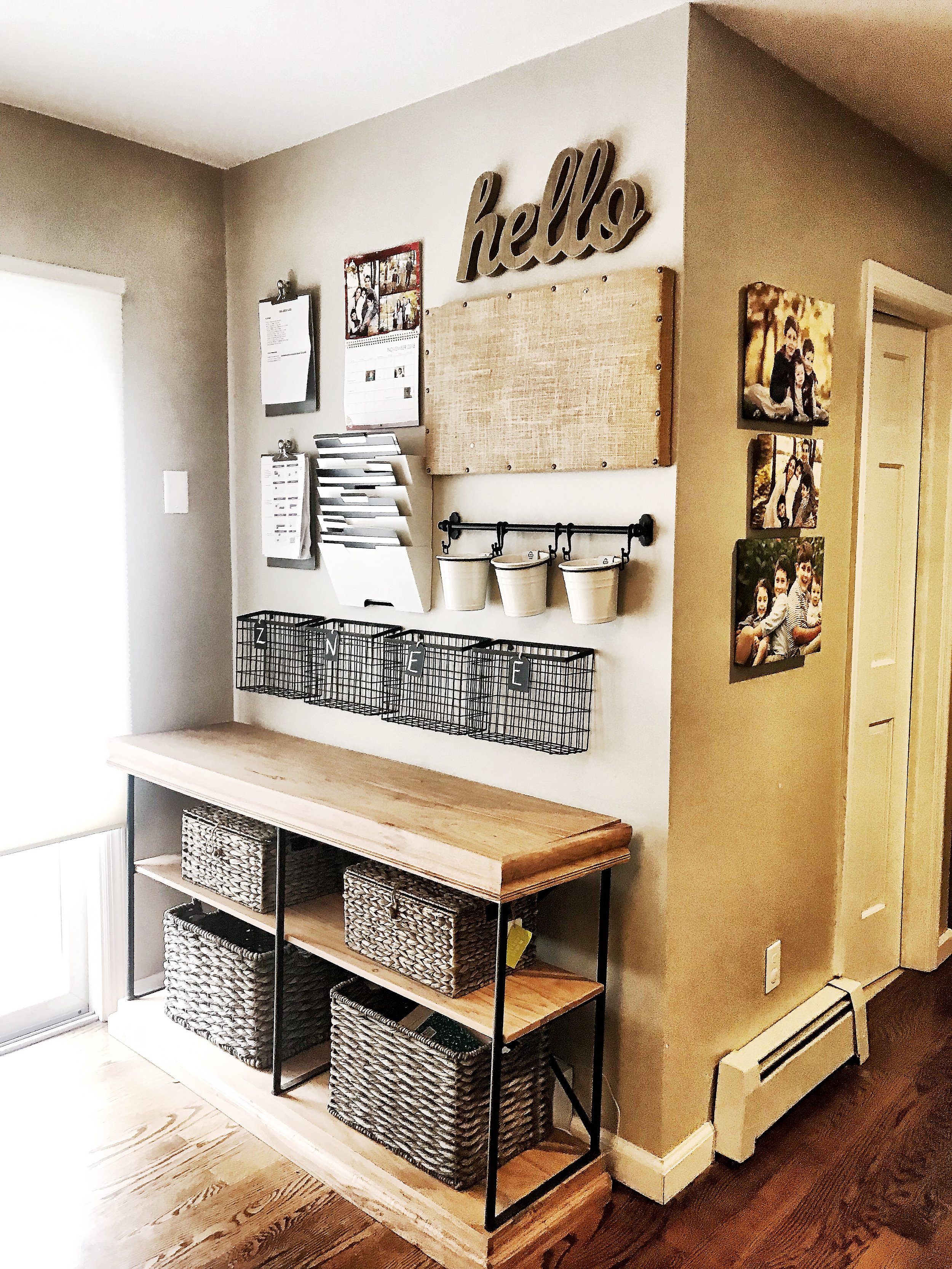
Create a “Launch Pad” Area
Designate one small space near the door for:
- Backpacks
- Shoes
- Water bottles
- Permission slips
When everything has a home, you eliminate the frantic “Where is your shoe?” moment.
Use Visual Checklists for Kids
Children thrive with visual cues. Instead of repeating instructions, create a simple chart:
- Brush teeth
- Get dressed
- Pack lunch
- Put on shoes
This builds independence and reduces nagging.
Prep the Night Before
Five minutes of preparation can save twenty in the morning. Lay out clothes. Pack lunches. Set breakfast items ready. These practical parenting hacks fpmomtips create smoother starts without requiring extra effort in the moment.
Encouraging Independence Without Losing Connection

Independence isn’t built through pressure—it’s built through opportunity.
Children gain confidence when they feel capable. One of the most powerful parenting hacks fpmomtips is shifting from “Let me do that” to “Let me show you how.”
The “Teach, Step Back, Support” Method
- Demonstrate calmly.
- Let them try independently.
- Offer support only if needed.
This applies to tying shoes, organizing toys, or completing homework.
Offer Controlled Choices
Instead of open-ended questions, provide structured options:
- “Would you like the blue shirt or the red one?”
- “Do you want to brush teeth before or after pajamas?”
Choices create autonomy while keeping boundaries intact.
When children feel ownership, resistance decreases naturally.
Emotional Regulation Hacks for Parents and Kids
Children borrow emotional stability from adults. If we regulate ourselves first, they learn to regulate too.

The Pause Technique
Before reacting:
- Take one deep breath
- Lower your voice
- Slow your movements
This small shift prevents escalation.
Name the Emotion
Instead of dismissing feelings, label them:
- “You’re frustrated.”
- “That made you sad.”
- “You’re feeling overwhelmed.”
Validation reduces intensity.
Create a Calm Corner
A calm space isn’t punishment. It’s a reset zone with:
- Soft pillows
- Books
- Sensory items
- Quiet lighting
Using parenting hacks fpmomtips that prioritize emotional literacy helps children build lifelong resilience.
Discipline That Teaches, Not Punishes
Effective discipline isn’t about fear. It’s about learning.
Natural Consequences
If a toy is thrown, it rests for the day.
If homework is forgotten, the child explains it to the teacher.
Natural outcomes are powerful teachers.
Consistent Boundaries
Children feel safe when rules are predictable. Consistency reduces testing behaviors.
Repair After Conflict
After tension, reconnect:
- Offer a hug
- Talk through what happened
- Reaffirm love

Strong relationships are built not by avoiding conflict—but by repairing after it.
Simplifying Mealtime Without Stress
Mealtimes often become battlegrounds. Instead of control struggles, focus on structure.
The Division of Responsibility
Parents decide:
- What is served
- When it’s served
Children decide:
- How much to eat
This reduces pressure and picky-eating power struggles.
Keep Meals Predictable
- Same snack times
- Similar dinner windows
- Balanced plates
Predictability builds trust around food.
Practical parenting hacks fpmomtips in the kitchen often remove tension far beyond the table.
Managing Screen Time Without Constant Arguments
Technology isn’t the enemy—but boundaries matter.
Set Clear Expectations in Advance
Rather than negotiating mid-use:
- Decide daily limits
- Explain consequences
- Follow through calmly
Use Timers
A visible timer prepares children for transitions.
Replace, Don’t Just Remove
Offer alternatives:
- Board games
- Outdoor play
- Art projects
When boundaries are clear, power struggles decrease significantly.
Building Strong Family Bonds Daily
Connection isn’t built during vacations. It’s built in small, repeated moments.
10-Minute Daily Check-In
Spend uninterrupted time with each child:
- No phone
- No multitasking
- Let them choose the activity
Weekly Family Meeting
Discuss:
- Wins
- Challenges
- Upcoming plans
This builds communication and shared responsibility.
Families who consistently practice parenting hacks fpmomtips centered on connection often experience fewer behavioral issues overall.
Time Management for Overwhelmed Parents
Burned-out parents can’t model calm.
The 3-Task Rule
Each day, choose only three essential tasks. Anything else is optional.
Batch Similar Tasks
- Laundry on specific days
- Meal prep once weekly
- School paperwork sorted in one session
Protect Personal Time
Even 15 minutes of quiet:
- Reading
- Walking
- Journaling
Rested parents respond instead of react.
Creating a Home That Encourages Cooperation
Your environment influences behavior.
Declutter Strategically
Fewer toys = deeper play.
Rotate toys monthly rather than keeping everything accessible.
Label Storage Clearly
Bins with words or pictures help children clean independently.
Keep Essentials at Child Level
- Hooks for jackets
- Low shelves for books
- Accessible snack drawers
Thoughtful setups reduce instructions and increase participation.
Financial and Organizational Parenting Hacks
Money stress impacts family harmony.
Teach Budget Basics Early
Use clear jars:
- Save
- Spend
- Give
Plan Weekly Menus
Reduces impulse buying and dinner stress.
Keep a Shared Digital Calendar
Track:
- Appointments
- School events
- Family commitments
Simple systems create stability.
Adapting parenting hacks fpmomtips for Different Ages
Every developmental stage requires flexibility.
Toddlers
- Short instructions
- Visual cues
- Predictable routines
School-Age Kids
- Responsibility charts
- Homework routines
- Chore systems
Teens
- Open communication
- Respectful negotiation
- Clear but evolving boundaries
What works at age three won’t work at thirteen. Adaptation keeps parenting effective.
FAQ
Frequently Asked Questions
What are parenting hacks fpmomtips exactly?
They are practical, realistic strategies designed to reduce daily parenting stress while improving connection, cooperation, and emotional stability at home.
How often should I change routines?
Only when something consistently isn’t working. Stability benefits children more than constant adjustments.
Do parenting hacks replace discipline?
No. They support discipline by preventing common triggers that lead to conflict.
How can I stay consistent as a busy parent?
Simplify expectations. Choose two or three systems to focus on rather than trying to change everything at once.
Are these strategies suitable for single parents?
Yes. Many parenting hacks fpmomtips are especially helpful for solo caregivers because they reduce repetitive workload.
What if my child resists new systems?
Expect short-term resistance. Stay calm, stay consistent, and give it time.
Can these ideas work in small living spaces?
Absolutely. Many rely on structure and routine rather than physical space.
How do I know if a parenting hack is working?
You’ll notice:
- Fewer repeated instructions
- Less emotional escalation
- More child independence
Progress may be gradual—but it builds.
Conclusion
Parenting will never be effortless—but it can feel lighter.
When you focus on thoughtful systems instead of constant correction, your home becomes calmer. When you prioritize connection over control, cooperation grows naturally. And when you implement realistic parenting hacks fpmomtips, you reclaim energy for what truly matters: laughter, growth, and shared memories.
The goal isn’t perfection. It’s progress.
Start small. Adjust gently. Stay consistent.
And remember—every calm response, every intentional routine, and every moment of connection is shaping your child’s future in powerful ways.