
Introduction
Some days, parenting feels like a beautifully choreographed dance. Other days, it feels like you’re juggling flaming torches while stepping on LEGO bricks. That’s exactly why so many families are turning to parental hacks fpmomtips to simplify everyday chaos and make home life smoother.
If you’ve ever wished for an extra hour in your day—or a secret manual that makes bedtime easier—you’re not alone. Parenting isn’t about perfection. It’s about smart systems, gentle boundaries, and practical shortcuts that actually work in real life. This guide dives deep into proven strategies that help modern parents reclaim time, reduce stress, and build stronger connections with their children.
Let’s talk about parenting that feels doable.
Why Smart Parenting Systems Matter
Parenting doesn’t fail because of love. It struggles because of overload. When routines are unclear and expectations shift daily, stress builds—for both parents and children.
Strong systems do three important things:
- Reduce decision fatigue
- Create emotional safety
- Build predictable structure
Children thrive when they know what’s coming next. Adults thrive when they don’t have to reinvent the wheel every single day.
After two decades of observing family dynamics and working with parents, one pattern stands out: families who implement consistent, small changes experience dramatic improvements in harmony.
Here’s where practical strategies come in.
The Psychology Behind Parental Hacks Fpmomtips
Understanding the “why” behind parenting strategies makes them easier to apply consistently.
Predictability Reduces Anxiety
Children feel safe when routines are clear. Morning rituals, bedtime sequences, and even weekly family meetings create emotional anchors.
Micro-Habits Create Macro-Change
Instead of overhauling your life, start with:
- 5-minute tidy resets
- 10-minute connection rituals
- 2-question daily check-ins
Small habits compound over time.

Morning Routine Hacks That Actually Work
Mornings set the tone for the entire day. A chaotic morning almost guarantees tension later.
Prepare the Night Before
- Lay out clothes
- Pack bags
- Prep breakfast items
- Set out shoes and jackets
This reduces friction before the day even begins.
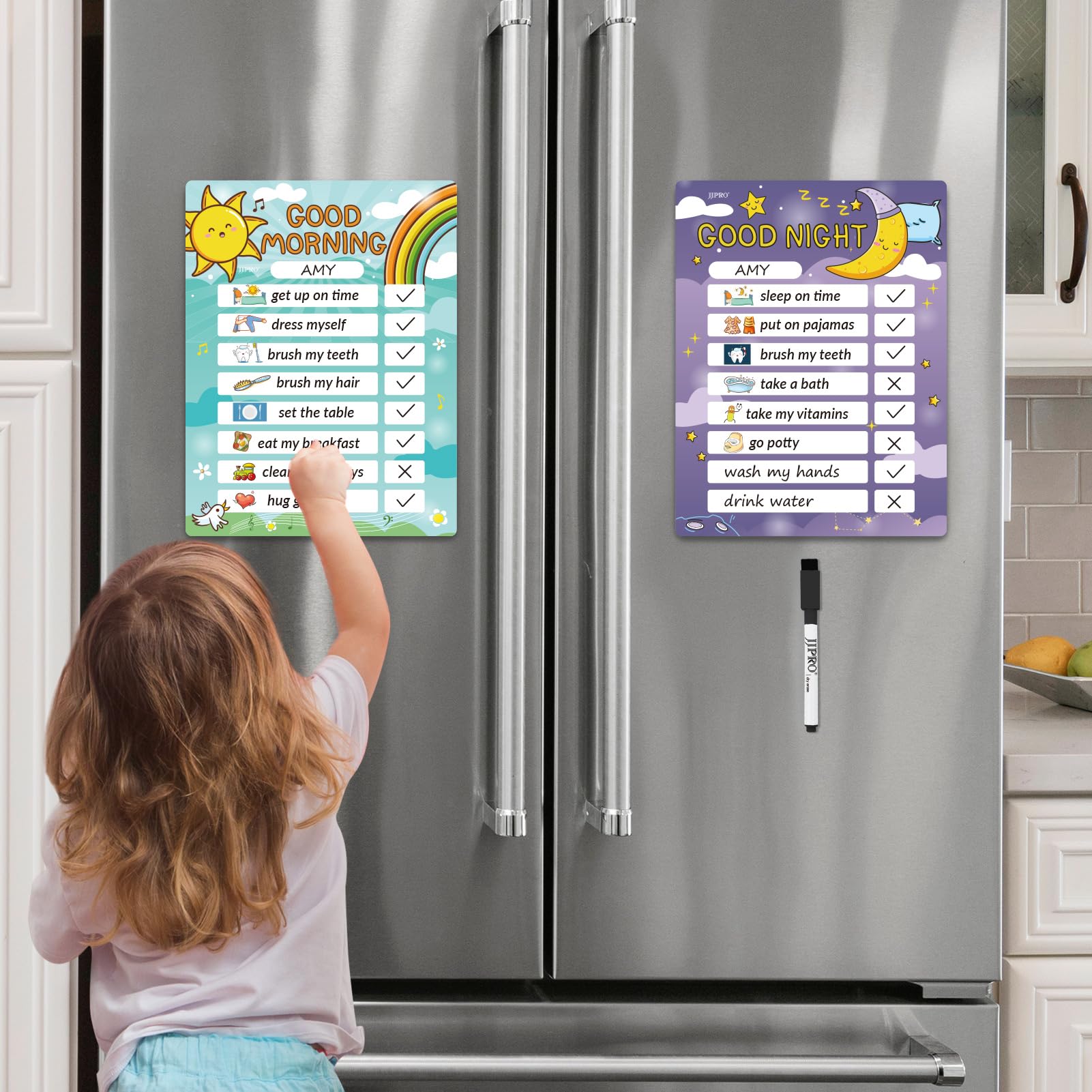
Use Visual Checklists
Children respond better to visuals than repeated verbal reminders. A simple laminated chart with icons can reduce arguments by 70% (based on behavioral habit studies).
The 10-Minute Connection Rule
Before screens or work emails:
- Hug
- Make eye contact
- Ask one meaningful question
Connection before correction.
Evening Wind-Down Systems
Evenings often unravel when everyone is overstimulated.
Create a Consistent Bedtime Flow
Think of bedtime like a script:
- Bath
- Pajamas
- Brush teeth
- Story
- Lights out
No negotiation. No surprise changes.
The “Tomorrow Talk”
Spend two minutes reviewing what tomorrow looks like. This reduces bedtime anxiety significantly.

Time Management for Busy Parents
Time isn’t found. It’s designed.
Batch Similar Tasks
Instead of doing laundry daily, assign laundry days.
Instead of random cleaning, schedule zone cleaning.
Use the 3-Priority Rule
Every day, choose only three non-negotiable tasks. Everything else is optional.
Teach Independence Early
Children as young as three can:
- Put toys in bins
- Carry plates to sink
- Choose between two outfits
Independence builds confidence and reduces your workload.
Emotional Regulation Hacks
Parents set the emotional temperature of the home.

Pause Before Responding
When triggered:
- Take one breath
- Lower your voice
- Move closer physically
Children mirror calm.
Replace “Stop That” with “Try This”
Instead of saying, “Stop yelling,” say, “Use your quiet voice.”
It redirects behavior rather than escalating power struggles.
Organization Systems That Stick
Clutter increases stress hormones. Organized spaces reduce cognitive overload.
The 15-Minute Family Reset
Set a timer.
Everyone tidies together.
Music on.
No lectures.
Toy Rotation Strategy
Keep 70% of toys stored away. Rotate every two weeks. Fewer toys = deeper play.

Communication Frameworks for Stronger Bonds
Communication is the backbone of peaceful parenting.
The 3-Step Listening Formula
- Listen fully
- Repeat what you heard
- Validate feelings
You don’t have to agree to validate.
Family Meetings Once a Week
Agenda:
- Wins of the week
- One improvement area
- Fun activity planning
This gives children a voice.
Screen Time Without Power Struggles

Screens aren’t the enemy. Lack of boundaries is.
Clear Rules in Advance
- When
- How long
- What content
No negotiating after the fact.
Earned Screen Model
Screens become a reward after responsibilities.
Parenting Different Age Groups
Toddlers (1–3 Years)
- Use redirection
- Offer choices
- Keep instructions short
Preschoolers (3–5 Years)
- Visual charts
- Clear consequences
- Positive reinforcement
School-Age Children
- Shared responsibility
- Open dialogue
- Problem-solving involvement
Self-Care Is Not Optional
Burnout leads to reactive parenting.
Micro Self-Care
- 10-minute walk
- Journaling
- Tea break without devices
Boundary Setting
You can say no to:
- Extra commitments
- Unrealistic expectations
- Social comparison
Healthy parents build healthy homes.
Budget-Friendly Parenting Solutions
Parenting doesn’t require expensive tools.
- DIY reward charts
- Homemade sensory bins
- Community library visits
- Clothing swaps
Simplicity often works better.
Building Long-Term Habits
Consistency matters more than intensity.
The 30-Day Rule
Test one new system for 30 days before abandoning it.
Habit Stacking
Attach new habits to existing ones.
Example: After dinner → 5-minute tidy.
This approach transforms daily survival into sustainable rhythm.
FAQs
Frequently Asked Questions
What are parental hacks fpmomtips exactly?
They are practical, real-life parenting shortcuts and structured systems designed to reduce stress, improve routines, and strengthen family connection.
How often should I change parenting systems?
Only after testing them consistently for at least 30 days.
Do these strategies work for single parents?
Yes. In fact, structured systems are especially helpful for solo caregivers managing multiple responsibilities.
What if my child resists new routines?
Expect resistance for the first 7–14 days. Stay consistent and calm.
Can these hacks reduce tantrums?
Yes. Predictability and emotional validation significantly lower tantrum frequency.
Are rewards necessary?
Not always. Praise and recognition often work better than material rewards.
How do I stay consistent when exhausted?
Simplify. Choose one small change rather than multiple overhauls.
What’s the biggest mistake parents make?
Inconsistency and reacting emotionally instead of responding intentionally.
Conclusion
Parenting isn’t about having all the answers. It’s about building systems that support your family’s unique rhythm. When you implement parental hacks fpmomtips consistently, everyday stress becomes manageable, routines feel lighter, and connection grows naturally.
The goal isn’t perfection. It’s progress—one smart habit at a time.
And sometimes, the smallest changes create the biggest peace inside your home.