Introduction
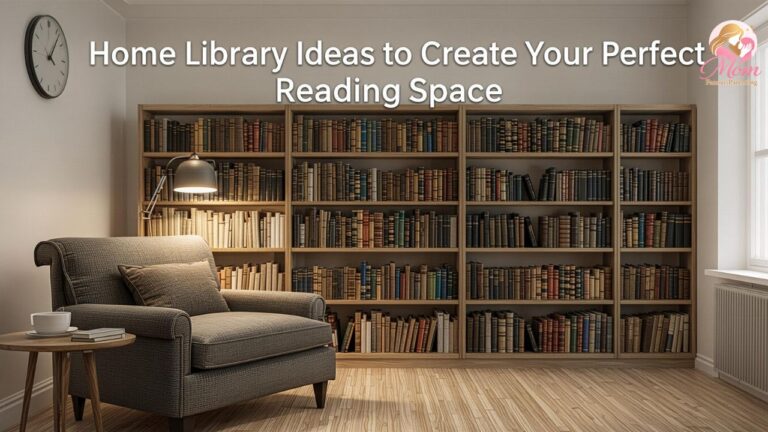
There’s something magical about having your own home library—a quiet corner where time slows down, stories come alive, and the outside world fades away. Whether it’s a full room lined with shelves or a tiny nook with a comfy chair, creating a personal reading space is one of the most rewarding upgrades you can make to your home.
In today’s fast-paced digital world, a dedicated reading space isn’t just a luxury—it’s a necessity for mental clarity and relaxation. A thoughtfully designed home library can boost focus, reduce stress, and even improve your daily routine in subtle but powerful ways.
The good news? You don’t need a mansion or a massive budget to create one. With a little creativity and smart planning, you can design a space that feels both functional and deeply personal.
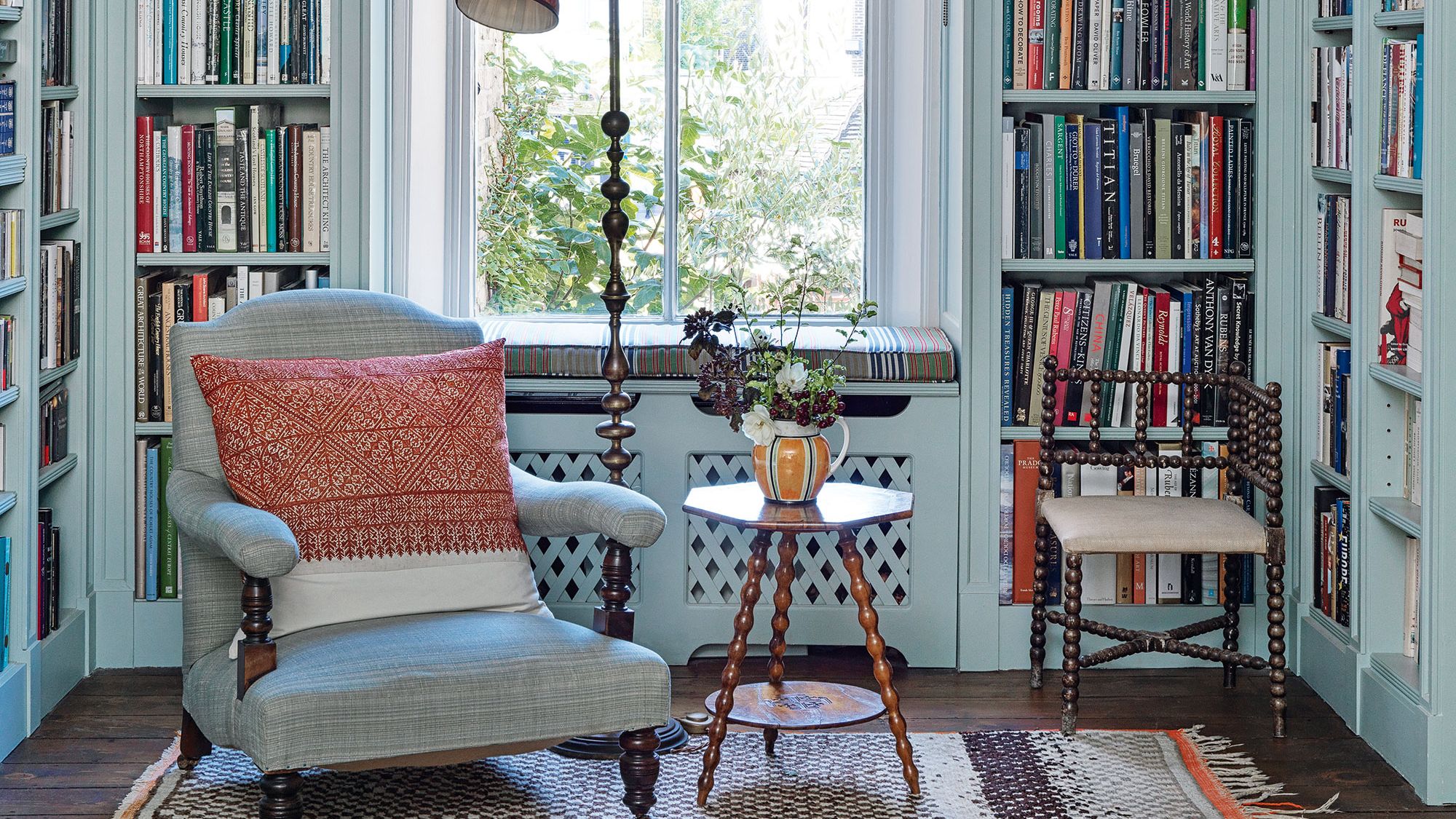
Table of Contents
What Is a Home Library and Why It Matters
Planning Your Home Library Space
Choosing the Right Furniture and Shelving
Layout Ideas for Every Home Size
Lighting Techniques for a Perfect Reading Atmosphere
Styling and Decorating Your Home Library
Organization Systems for Books and Materials
Budget-Friendly Home Library Ideas
Personal Background: A Reader’s Journey
Common Mistakes to Avoid
FAQ
Conclusion
What Is a Home Library and Why It Matters
A home library is a dedicated space designed specifically for reading, studying, and storing books. It can range from a full room with built-in shelves to a small corner with a single bookcase and a cozy chair.
Why It’s More Important Than Ever
In reality, we’re surrounded by constant digital distractions—notifications, screens, endless scrolling. A home library offers a peaceful escape.
Studies suggest that reading for just 20 minutes a day can significantly reduce stress levels. That alone makes investing in a personal reading space worthwhile.

Benefits of Having a Home Library
- Encourages consistent reading habits
- Improves focus and productivity
- Adds aesthetic value to your home
- Creates a calming, screen-free zone
Planning Your Home Library Space
Before buying shelves or furniture, take a step back and think about how you’ll actually use your home library.
Ask Yourself These Questions
- Do you prefer silence or soft background music?
- Will it be used for work, study, or relaxation?
- How many books do you currently own?
Choosing the Right Location
You don’t need an extra room. Consider:
- A corner in your living room
- An unused hallway
- A space under the stairs
- A bedroom nook
Space Planning Tips
- Measure your available space carefully
- Consider vertical storage
- Leave room for comfortable seating
Choosing the Right Furniture and Shelving
Furniture is the backbone of any successful home library design.

Essential Pieces
- Bookshelves (wall-mounted or freestanding)
- Comfortable seating (armchair or chaise lounge)
- Side table for drinks or books
- Reading lamp
Types of Shelving
| Type of Shelf | Best For | Pros | Cons |
|---|---|---|---|
| Built-in shelves | Permanent setups | Seamless look | Higher cost |
| Floating shelves | Small spaces | Saves floor space | Limited weight |
| Freestanding units | Flexible layouts | Easy to move | Takes up floor space |
Pro Tip
Always anchor shelves to the wall—especially if you have kids or pets. Safety matters more than aesthetics.

Layout Ideas for Every Home Size
Small Apartment Setup
If space is tight:
- Use vertical shelving
- Add a foldable chair
- Choose light colors to open up the space
Medium-Sized Living Room
- Create a reading corner
- Add a rug to define the area
- Include layered lighting
Dedicated Library Room
If you’re lucky enough to have space:
- Install floor-to-ceiling shelves
- Add a central reading table
- Include multiple seating options
Lighting Techniques for a Perfect Reading Atmosphere
Lighting can completely transform your home library experience.
Types of Lighting to Use
- Ambient lighting (ceiling lights)
- Task lighting (reading lamps)
- Accent lighting (LED strips, wall lights)
Ideal Lighting Setup
Combine all three for a balanced environment.
Warm vs Cool Light
- Warm light = cozy, relaxing
- Cool light = better for studying

Styling and Decorating Your Home Library
This is where your personality comes alive.
Decor Ideas
- Add framed quotes or art
- Use plants for freshness
- Incorporate textured rugs and cushions
Color Themes
- Neutral tones for calmness
- Dark tones for a classic feel
- Mixed tones for a modern vibe
Organization Systems for Books and Materials
A cluttered library defeats its purpose.
Popular Organization Methods
- By genre
- By author
- By color (aesthetic approach)
- By frequency of use
Practical Storage Tips
- Use baskets for loose items
- Label sections if needed
- Keep frequently read books within reach
Budget-Friendly Home Library Ideas
Creating a home library doesn’t have to be expensive.
Affordable Tips
- Use second-hand furniture
- DIY shelves
- Repurpose old cabinets
Smart Spending Strategy
Invest in comfort first (chair + lighting), then build around it.
Personal Background: A Reader’s Journey
I remember the first time I created a small reading corner in my apartment—it was nothing fancy. Just a second-hand chair, a lamp, and a small shelf. But something changed.

Over time, that corner became my escape after long days. Eventually, I upgraded to a full home library setup.
Career & Achievements
As someone deeply involved in content creation and design, I’ve worked on multiple interior writing projects focused on small spaces and functional design.
Financial Insight
A well-designed home library doesn’t need thousands of dollars. In fact:
- Basic setup: $100–$300
- Mid-range setup: $300–$800
- Premium setup: $1000+
The value isn’t in the money—it’s in the experience.
Common Mistakes to Avoid
Overcrowding the Space
Too many books or decor items can make the room feel overwhelming.
Poor Lighting
Insufficient lighting can strain your eyes and reduce comfort.
Ignoring Comfort
A beautiful space means nothing if it’s not comfortable.
Lack of Organization
Messy shelves can quickly turn your library into a storage area instead of a sanctuary.

FAQ
What is the ideal size for a home library?
There’s no fixed size. Even a small corner can function as a home library if designed thoughtfully.
Can I create a home library in a small apartment?
Absolutely. Use vertical space, compact furniture, and multi-functional pieces.
What kind of chair is best for reading?
Look for ergonomic chairs with proper back support and soft cushioning.
How do I organize books effectively?
Organize by genre, author, or usage frequency depending on your needs.
Is natural light important in a home library?
Yes, it enhances mood and reduces eye strain. However, combine it with artificial lighting for evenings.
How much does it cost to build a home library?
Costs vary widely—from under $100 for a basic setup to several thousand for custom designs.
Should I use built-in shelves or freestanding ones?
Built-ins offer a seamless look, while freestanding shelves provide flexibility.
What colors work best for a home library?
Neutral tones for calmness, darker tones for a classic feel, and lighter shades for smaller spaces.
Conclusion
A well-designed home library isn’t just about books—it’s about creating a space that nurtures your mind, fuels your imagination, and gives you a break from the noise of everyday life.
Whether you’re working with a tiny corner or an entire room, the goal remains the same: comfort, functionality, and a sense of belonging. Once you build it, you’ll wonder how you ever lived without it.