Introduction
Parenting doesn’t come with a manual—but what if it did? The fpmomtips parental guide by famousparenting feels exactly like that missing handbook so many parents wish they had during late-night worries, toddler meltdowns, and teenage debates.
Whether you’re navigating sleepless newborn nights or trying to decode a moody preteen, having reliable guidance matters. Today’s parents are overwhelmed with conflicting advice, online opinions, and unrealistic expectations. What families truly need is grounded, practical, real-life wisdom that works in everyday homes—not just in theory.

This guide exists because parenting isn’t about perfection. It’s about connection, consistency, and courage. And that’s exactly where this conversation begins.
Understanding the Philosophy Behind fpmomtips parental guide by famousparenting
At its core, this approach is built on one simple belief: strong relationships create strong families. Instead of focusing only on discipline techniques or milestone checklists, it centers on emotional security, open communication, and realistic expectations.
Two key pillars shape this philosophy:
- Emotional awareness over emotional suppression
- Guidance instead of control
Parents are encouraged to see behavior as communication. A tantrum isn’t “bad behavior”—it’s an overwhelmed nervous system. Defiance isn’t disrespect—it may be a child testing independence.
When we shift perspective, everything changes.
After two or three difficult parenting moments, it becomes clear: children don’t need flawless parents. They need responsive ones. That’s why this framework emphasizes repair after mistakes. If you raise your voice, you reconnect. If you misjudge a situation, you apologize. Modeling accountability teaches more than any lecture ever could.
Building Emotional Intelligence at Home
What Is Emotional Intelligence?
Emotional intelligence (EQ) refers to the ability to recognize, understand, and manage emotions—both your own and others’. In parenting, this skill is foundational.

Children with high EQ tend to:
- Regulate frustration more effectively
- Show empathy toward peers
- Communicate feelings clearly
- Develop stronger friendships
Parents model emotional intelligence every single day.
Practical Ways to Teach Emotional Awareness
Instead of telling a child to “calm down,” try:
- “I see you’re feeling frustrated.”
- “Your face looks disappointed. Want to tell me about it?”
- “That must have been hard.”
Naming emotions reduces their intensity. Research consistently shows that labeling feelings activates reasoning areas of the brain.
Small habits build big results:
- Create daily “feelings check-ins.”
- Use emotion charts for younger kids.
- Share your own feelings in age-appropriate ways.
- Encourage problem-solving after emotions settle.
When children feel understood, cooperation naturally increases.
Positive Discipline Without Fear
Discipline often gets misunderstood as punishment. But real discipline comes from the word “disciple”—to teach.
The fpmomtips parental guide by famousparenting emphasizes teaching over punishing.
Natural vs. Logical Consequences
- Natural consequences: Occur without parent intervention (e.g., forgetting homework results in a lower grade).
- Logical consequences: Parent-created but directly related to behavior (e.g., toys left outside are put away for a day).
Effective discipline:
- Is calm and consistent
- Focuses on behavior, not character
- Maintains dignity
Instead of “You’re so messy,” say, “The floor needs cleaning. Let’s fix it.”
This shift protects self-esteem while still maintaining boundaries.
Creating Structure Without Rigidity
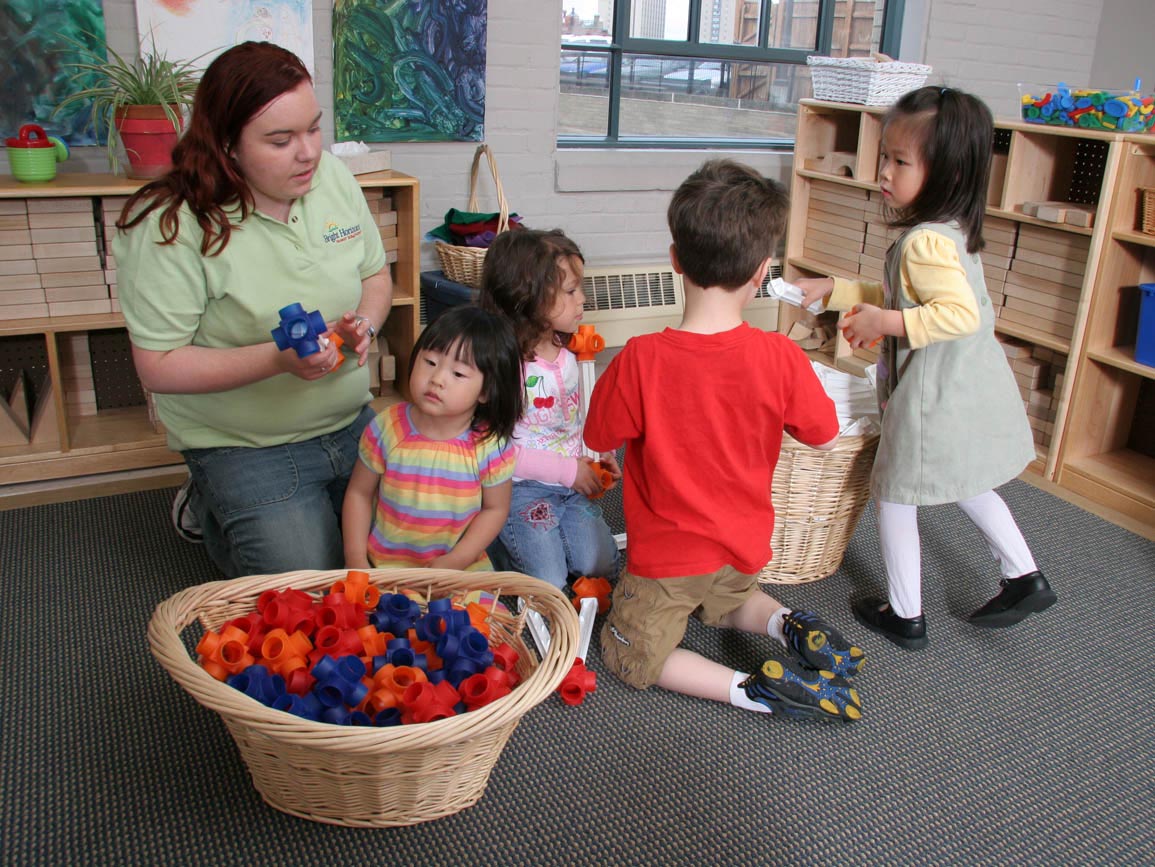
Children thrive on predictability. Structure creates safety. However, overly rigid schedules can increase stress for both parents and kids.
Why Routines Matter
Predictable routines:
- Improve sleep quality
- Reduce anxiety
- Encourage independence
- Decrease power struggles
Simple routines that work:
- Morning checklist chart
- After-school decompression time
- Device-free dinner
- Consistent bedtime ritual
Flexibility is equally important. Life happens. A routine supports the family—it shouldn’t control it.
Screen Time in the Digital Age
One of the biggest concerns modern parents face is technology management. The goal isn’t eliminating screens; it’s building healthy habits.
Healthy digital habits include:
- Shared family media rules
- Tech-free bedrooms
- Modeling balanced device use
- Co-viewing content when possible
Children learn more from what they observe than what they’re told.

Supporting Different Developmental Stages
Parenting a toddler is vastly different from parenting a teenager. The strategies evolve—but the core remains connection.
Toddlers (Ages 1–3)
Focus on:
- Redirection instead of reasoning
- Short, simple instructions
- Sensory play
- Consistent nap schedules
Expect impulsivity—it’s developmental, not defiance.
Early Childhood (Ages 4–8)
This stage thrives on:
- Clear expectations
- Play-based learning
- Encouragement over criticism
- Teaching responsibility gradually
Tweens & Teens
Here, parents shift from managers to mentors.
Important practices:
- Listening more than lecturing
- Allowing safe independence
- Keeping communication open
- Respecting privacy
The fpmomtips parental guide by famousparenting reminds parents that adolescence is about identity formation—not rebellion for its own sake.
Strengthening Parent–Child Communication
Open communication is built daily, not during crises.
Ways to improve family communication:
- Hold weekly family meetings
- Practice reflective listening
- Avoid interrupting
- Ask open-ended questions
Instead of:
“Did you have a good day?”
Try:
“What was the most interesting thing that happened today?”
Small changes invite deeper conversation.
Parental Self-Care Is Not Selfish
Burnout leads to impatience. Patience requires replenishment.
Self-care can include:
- 10-minute quiet breaks
- Exercise
- Adult friendships
- Therapy or support groups
A regulated parent raises regulated children. Emotional regulation is contagious.
Handling Conflict and Repairing After Mistakes
Every family experiences conflict. What matters most is how it’s repaired.
Steps to healthy repair:
- Calm down before addressing the issue.
- Acknowledge your role if needed.
- Validate feelings.
- Reaffirm connection.
Children who experience repair learn resilience. They understand relationships can bend without breaking.
Encouraging Independence and Responsibility
Children grow confidence when trusted with responsibility.
Age-appropriate responsibilities:
- Toddlers: Put toys in bin
- Preschoolers: Help set table
- School-age: Pack lunch
- Teens: Manage homework schedule

Responsibility builds competence. Competence builds confidence.The consistent message within the fpmomtips parental guide by famousparenting is clear: guide, don’t control.
FAQs
Frequently Asked Questions
Is the fpmomtips parental guide by famousparenting suitable for first-time parents?
Yes. It offers practical guidance especially helpful for parents navigating early uncertainties and building foundational habits.
How often should routines change?
Routines should evolve with developmental stages, school schedules, and family needs—usually every 6–12 months.
What if my child doesn’t respond to positive discipline?
Consistency is key. It may take time for children to adjust, especially if they’re used to punitive methods.
How can I manage sibling rivalry?
Avoid comparisons. Validate each child’s feelings and encourage collaborative problem-solving.
Is screen time always harmful?
No. Quality and moderation matter more than total elimination.
How do I balance work and parenting effectively?
Create boundaries around work hours, prioritize family rituals, and schedule uninterrupted connection time.
What if I lose my temper?
Repair matters more than perfection. Apologize, reconnect, and model emotional accountability.
When should I seek professional support?
If behavior significantly interferes with daily life, school functioning, or emotional well-being, consult a pediatrician or child therapist.
Conclusion
Parenting isn’t about mastering techniques—it’s about growing alongside your child. The fpmomtips parental guide by famousparenting offers something rare in today’s noisy advice culture: steady, grounded wisdom rooted in connection, compassion, and clarity.
Families don’t need perfection. They need presence.
And when presence becomes the priority, everything else begins to fall into place.