Introduction
Some days, parenting feels like a beautifully orchestrated symphony. Other days, it feels like you’re juggling flaming torches while stepping on LEGO bricks. That’s exactly why fpmomhacks parenting hacks from famousparenting has become such a lifeline for modern families looking for practical, doable solutions.
At its core, fpmomhacks parenting hacks from famousparenting isn’t about perfection. It’s about smart shortcuts, thoughtful systems, and tiny changes that create big impact. Whether you’re navigating toddler tantrums, homework battles, or dinner-time chaos, small intentional shifts can dramatically improve your daily rhythm.
This topic matters because parenting today comes with unique pressures—digital distractions, busy schedules, rising expectations, and constant comparison. The right strategies don’t just save time. They protect your peace, strengthen family bonds, and help children grow into confident, emotionally healthy individuals.
If you’re ready to transform daily overwhelm into manageable routines, let’s dive in.
Understanding the Philosophy Behind fpmomhacks Parenting Hacks from FamousParenting
Parenting hacks often get misunderstood. They’re not shortcuts to avoid responsibility. They’re thoughtful adjustments designed to work with child psychology, not against it.
At its heart, fpmomhacks parenting hacks from famousparenting is built on three foundational principles:
- Prevention over correction
- Connection before discipline
- Systems instead of stress
These principles create an environment where both parent and child feel seen, heard, and supported.

Parenting becomes smoother when you anticipate friction points—like morning routines or bedtime resistance—and build simple systems around them.
Morning Routine Hacks That Actually Work
Mornings often set the tone for the entire day. When chaos dominates the first 30 minutes, stress lingers for hours.
The Night-Before Setup Rule
Preparation reduces friction. Lay out clothes, pack school bags, and prep breakfast items the evening before.
Benefits include:
- Reduced decision fatigue
- Fewer last-minute arguments
- Calmer transitions
Parents who consistently follow this habit report smoother mornings within just a week.
The “Race Against the Clock” Trick
Instead of nagging, turn tasks into mini challenges:
- “Can you brush your teeth before this song ends?”
- “Let’s see if we can put shoes on in 60 seconds.”
Children respond better to playful structure than repeated commands.
Emotional Regulation Strategies for Kids
Children are still learning how to process big feelings. Tantrums aren’t manipulation—they’re skill gaps.
Name the Feeling, Normalize the Experience
When a child is upset:
- “You look frustrated.”
- “It’s okay to feel angry.”
Labeling emotions reduces intensity. Research consistently shows emotional validation helps children regulate faster.
The Calm-Down Corner
Create a dedicated space with:
- Soft pillows
- A favorite book
- A stress ball or sensory toy
This is not a punishment zone. It’s a reset space.
Many parents adopting this method through fpmomhacks parenting hacks from famousparenting notice fewer emotional escalations over time.
Discipline Without Power Struggles
Discipline works best when it teaches, not threatens.
Natural Consequences vs. Punishment
Natural consequence example:
- If toys are left outside, they might get wet.
Punishment example:
- Taking away screen time unrelated to the issue.
Children learn responsibility when consequences are logically connected.
Offer Limited Choices
Instead of:
- “Put your pajamas on.”
Try:
- “Do you want the blue pajamas or the green ones?”
Choice builds autonomy while maintaining structure.
Time-Saving Hacks for Busy Parents
Modern parents juggle work, home, and emotional labor. Smart efficiency is essential.
The 10-Minute Reset
Every evening:
- Set a timer for 10 minutes.
- Everyone tidies one area.
Consistency beats marathon cleaning sessions.
Meal Planning Simplified
Rotate 10 reliable meals.
Create a two-week repeating schedule.
Grocery shop once weekly.
This reduces:
- Decision fatigue
- Food waste
- Evening stress
Fpmomhacks parenting hacks from famousparenting emphasizes repetition over reinvention.
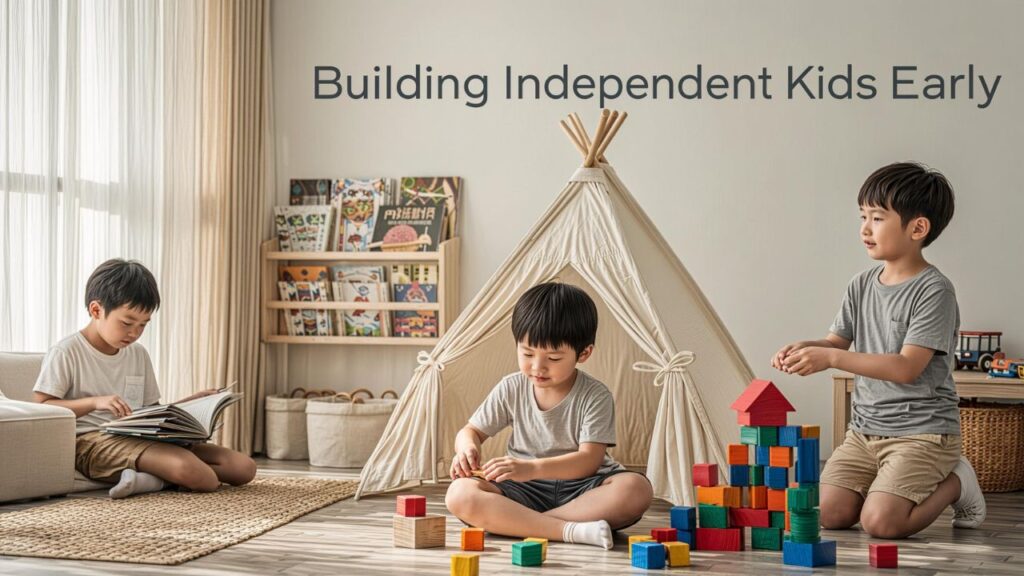
Building Independent Kids Early
Independence doesn’t happen overnight. It’s cultivated gradually.
Age-Appropriate Responsibility
Toddlers:
- Put toys in bins
Preschoolers:
- Help set the table
School-age children:
- Pack their own lunch with guidance
Giving responsibility builds competence and confidence.
The “Teach Once, Observe Later” Approach
Instead of redoing tasks:
- Demonstrate clearly.
- Let mistakes happen.
- Offer feedback calmly.
Perfection isn’t the goal—learning is.
Screen Time Boundaries That Don’t Cause Meltdowns
Digital boundaries are one of today’s biggest parenting challenges.
Set Clear Expectations
Define:
- When screens are allowed
- For how long
- What content is acceptable
Post rules visibly.
Use Tech as a Tool, Not a Reward
Avoid making screens the ultimate prize. Instead:
- Encourage creative offline play.
- Model balanced use yourself.
Consistency reduces negotiation battles.
Communication Hacks That Strengthen Bonds
Strong communication prevents many common parenting conflicts.
The 5-Minute Connection Ritual
Spend five undistracted minutes daily:
- Eye contact
- No phone
- Child leads conversation
This small habit builds emotional security.
Reflective Listening
Repeat back what you hear:
- “You felt left out today.”
Children feel understood instead of dismissed.
Fpmomhacks parenting hacks from famousparenting highlights connection as the foundation for cooperation.
Managing Parental Burnout
Parents often neglect their own needs.
Micro Self-Care Moments
You don’t need a weekend retreat.
Try:
- 10 minutes of quiet tea
- A short walk
- Deep breathing before bed
Share the Mental Load
If possible:
- Delegate tasks
- Create shared calendars
- Divide responsibilities intentionally
A supported parent is a more patient parent.
Conflict Resolution Between Siblings
Sibling rivalry is natural.
Coach, Don’t Judge
Instead of:
- “Stop fighting!”
Try:
- “Let’s hear both sides.”
Teach negotiation skills early.
The Turn-Taking Timer
Set a timer for shared items.
Clear visual cues reduce arguments.
Over time, siblings internalize fairness.
Homework and Academic Support
Academic pressure can strain families.
The Study Routine Framework
- Same place
- Same time
- Short breaks
Predictability improves focus.
Encourage Effort Over Outcome
Praise:
- “You worked really hard on that.”
Not:
- “You’re so smart.”
Growth mindset builds resilience.
Creating a Peaceful Bedtime Routine
Evenings often mirror morning stress if unmanaged.
Wind-Down Signal
Dim lights.
Lower voices.
Turn off screens 30 minutes before sleep.
Predictable Sequence
Bath → Pajamas → Story → Goodnight.
Children thrive on rhythm.
Fpmomhacks parenting hacks from famousparenting reinforces consistency as the secret ingredient to smoother nights.
FAQs
Frequently Asked Questions
What makes fpmomhacks parenting hacks from famousparenting different?
It focuses on realistic, sustainable systems rather than unrealistic perfection standards.
How often should I introduce new parenting strategies?
Introduce one change at a time and allow 2–3 weeks for consistency.
Do parenting hacks work for teenagers?
Yes, but they require adaptation. Teens benefit more from collaboration than control.
How do I handle resistance to new routines?
Expect pushback initially. Stay calm and consistent.
Can these hacks reduce tantrums long-term?
Yes. Emotional validation and predictable structure significantly reduce frequency over time.
Is it okay to modify the hacks?
Absolutely. Every child is unique.
What if I miss a day of consistency?
Reset the next day without guilt.
Are these methods backed by research?
Many principles align with child development psychology and behavioral science.
Conclusion
Parenting will never be entirely predictable—but it doesn’t have to feel overwhelming. The heart of fpmomhacks parenting hacks from famousparenting lies in simplifying what feels complicated. By building small systems, prioritizing connection, and focusing on long-term growth rather than short-term control, families can create calmer, more joyful homes.
You don’t need to implement everything at once. Choose one habit, try it this week, and observe the difference. Sustainable parenting isn’t about doing more—it’s about doing what truly works.