Introduction
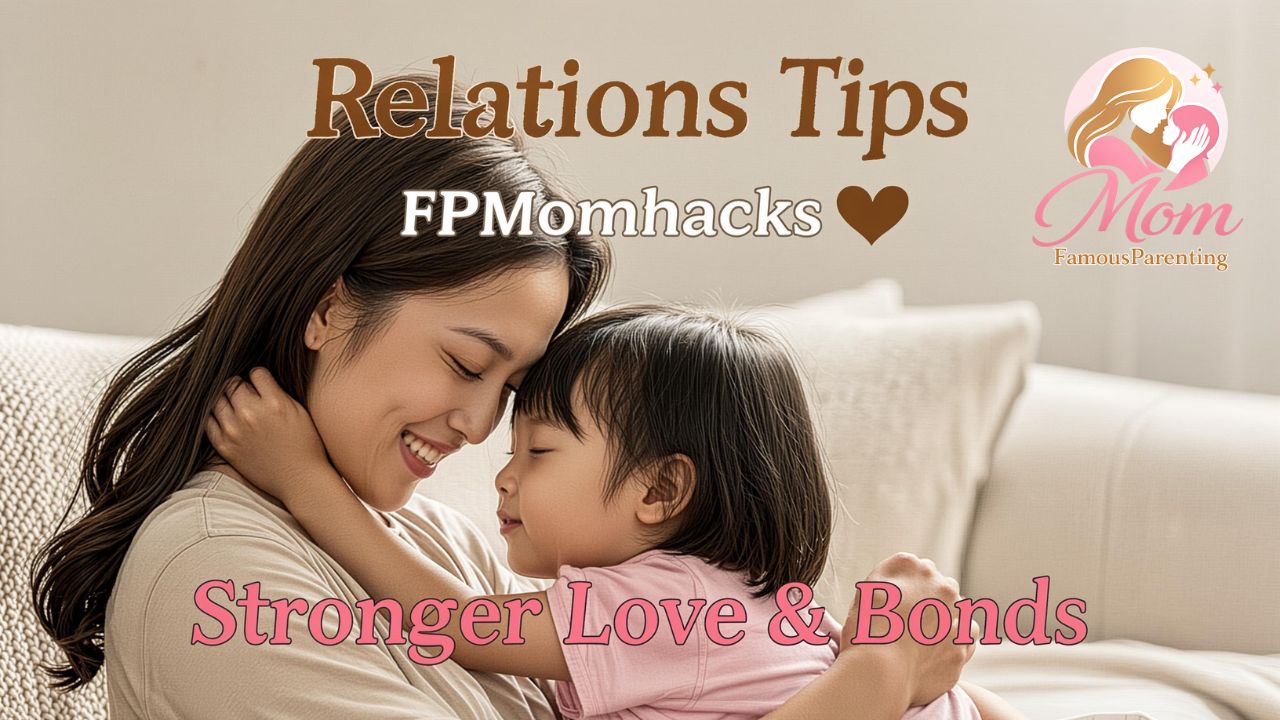
Love can feel magical one day and confusing the next. If you’ve ever wondered why small misunderstandings turn into big arguments—or why connection sometimes fades despite your best intentions—you’re not alone. That’s where relations tips fpmomhacks comes in.
In today’s fast-paced world, relationships face constant pressure from work stress, digital distractions, financial strain, and family responsibilities. The truth is, even strong couples need guidance. And relations tips fpmomhacks offers practical, relatable strategies to strengthen communication, deepen trust, and rebuild emotional closeness.
This isn’t about unrealistic fairy tales. It’s about real conversations, emotional intelligence, shared growth, and understanding how modern relationships actually work. Whether you’re married, dating, parenting together, or navigating long-term commitment, these insights can transform how you connect.
Table of Contents
Understanding relations tips fpmomhacks
Why Modern Relationships Struggle
Communication: The Core of relations tips fpmomhacks
Building Emotional Intimacy That Lasts
Trust, Transparency, and Long-Term Commitment
Conflict Resolution Without Emotional Damage
Parenting, Partnership, and Shared Responsibility
Real-Life Case Examples
The Psychology Behind Strong Relationships
Personal Growth and Financial Stability in Love
FAQ
Conclusion
Understanding relations tips fpmomhacks
Before diving into tactics, let’s clarify what relations tips fpmomhacks really means. At its core, it represents practical, family-oriented relationship strategies designed for modern couples balancing work, parenting, and emotional connection.
The “FP” element often reflects family priorities, while “mom hacks” suggests practical, real-life tools rather than theoretical advice. In other words, these are not abstract psychological concepts. They’re everyday adjustments that make relationships healthier.
Research from the American Psychological Association shows that couples who practice intentional communication and emotional validation report 30% higher relationship satisfaction compared to those who avoid conflict discussions. That’s significant. It proves relationships aren’t about luck—they’re about skills.
Why Modern Relationships Struggle
We live in an age of hyper-connectivity yet emotional disconnection. Social media gives the illusion of intimacy while reducing meaningful conversation. Financial pressure adds tension. Career demands reduce quality time.
Common challenges include:
- Poor communication habits
- Digital distractions
- Emotional burnout
- Unequal household responsibilities
- Financial stress
- Lack of appreciation
In reality, many couples don’t fall out of love. They fall out of communication. That distinction matters.
Communication: The Core of relations tips fpmomhacks
If there’s one pillar of relations tips fpmomhacks, it’s communication. Not surface-level “How was your day?” exchanges—but emotionally aware dialogue.
Active Listening Techniques
Active listening means:
- Making eye contact
- Avoiding interruptions
- Reflecting what your partner says
- Validating emotions before offering solutions
For example, instead of saying, “You’re overreacting,” try:
“I can see this really hurt you. Let’s talk about it.”
That small shift reduces defensiveness and increases trust.
The 5-Minute Daily Check-In
Set aside five minutes every day—no phones, no TV. Ask:
- What stressed you today?
- What made you happy?
- How can I support you tomorrow?
It sounds simple, but consistency builds emotional safety.
Building Emotional Intimacy That Lasts
Emotional intimacy is the glue that keeps relationships resilient. Without it, couples become roommates.
According to relationship researcher Dr. John Gottman, couples who maintain a 5:1 ratio of positive to negative interactions are significantly more likely to stay together long term. That means five positive interactions for every criticism or complaint.
Ways to increase intimacy:
- Express gratitude daily
- Share personal goals
- Engage in new experiences together
- Revisit shared memories
Small gestures—like leaving a note or sending a supportive message—compound over time.
Trust, Transparency, and Long-Term Commitment
Trust isn’t built overnight. It’s built through consistent behavior.
Transparency includes:
- Honest financial conversations
- Sharing concerns early
- Avoiding secrecy
- Following through on promises
When trust is damaged, rebuilding requires:
- Acknowledgment of harm
- Genuine apology
- Consistent corrective action
- Patience
There’s no shortcut—but there is a process.
Conflict Resolution Without Emotional Damage
Arguments are inevitable. Emotional damage is optional.
Healthy conflict means:
- Focusing on the issue, not character
- Avoiding absolute language like “always” or “never”
- Taking time-outs if emotions escalate
Unhealthy conflict patterns include:
- Stonewalling
- Name-calling
- Bringing up past grievances repeatedly
However, disagreement handled respectfully can strengthen bonds.
Parenting, Partnership, and Shared Responsibility
For couples with children, stress multiplies. Parenting fatigue often spills into the relationship.
The essence of relations tips fpmomhacks here is teamwork. Shared calendars, role clarity, and mutual appreciation prevent resentment.
Divide responsibilities fairly:
- Alternate bedtime routines
- Share financial planning
- Rotate household tasks
When one partner feels overburdened, intimacy declines. Balance restores harmony.
Real-Life Case Examples
Consider Sarah and Ahmed. Both work full-time and have two children. Arguments escalated over household duties. Instead of continuing silent resentment, they implemented weekly planning sessions.
Within three months:
- Arguments reduced by 40%
- Quality time increased
- Financial stress discussions became structured
Or take Maria and Daniel. After a trust issue, they committed to transparency—shared passwords, financial openness, therapy sessions. Healing took time, but consistency rebuilt confidence.
These stories aren’t dramatic. They’re realistic—and relatable.
The Psychology Behind Strong Relationships
Attachment theory explains why people react differently in conflict. Some withdraw. Others pursue reassurance intensely. Understanding your attachment style can improve empathy.
Key attachment styles:
- Secure
- Anxious
- Avoidant
Secure attachment grows through reliability and reassurance.
Meanwhile, emotional intelligence—the ability to recognize and manage emotions—predicts long-term relationship success more strongly than personality compatibility alone.
Personal Growth and Financial Stability in Love
Healthy relationships require individual stability. Career stress, debt, or lack of purpose can create relational strain.
Personal background and growth influence connection. For example, individuals who experienced unstable childhood environments may struggle with trust. Awareness fosters compassion.
Financial transparency also matters. Studies show money disagreements are one of the top three causes of divorce.
Practical financial harmony tips:
- Monthly budget meetings
- Shared long-term savings goals
- Emergency fund planning
- Clear debt disclosure
Financial stability strengthens emotional safety.
FAQ
What exactly does relations tips fpmomhacks focus on?
It focuses on practical, family-oriented relationship strategies that improve communication, trust, and emotional intimacy in modern partnerships.
How often should couples communicate intentionally?
Daily check-ins, even five minutes long, significantly improve emotional connection.
Can trust be rebuilt after betrayal?
Yes, but it requires acknowledgment, consistent behavioral change, and patience from both partners.
Is conflict normal in healthy relationships?
Absolutely. Healthy conflict handled respectfully can improve understanding and strengthen bonds.
How does parenting affect romantic connection?
Parenting stress reduces time and energy for intimacy. Shared responsibilities and planning reduce resentment.
Are financial discussions important for relationship health?
Yes. Financial transparency reduces anxiety and builds long-term trust.
How can emotional intimacy be strengthened quickly?
Start with gratitude, active listening, and small consistent gestures of appreciation.
Does therapy help couples?
Couples therapy provides structured communication tools and neutral guidance, which can significantly improve relationship outcomes.
Conclusion
Relationships don’t fail overnight. They slowly drift when communication weakens, trust erodes, and emotional needs go unmet. The beauty of relations tips fpmomhacks is that it focuses on small, sustainable habits rather than dramatic changes.
In reality, lasting love isn’t about perfection. It’s about intention. Listening when it’s easier to defend. Showing up when it’s inconvenient. Choosing empathy when frustration rises.
Whether you’re rebuilding after conflict, strengthening a stable partnership, or navigating parenthood together, these strategies offer clarity and direction. Start small. Stay consistent. And remember—strong relationships are built, not found.